Cao Wei · Chancellor
Cao Cao
courtesy name 孟德 · also called 太祖 · 155–220
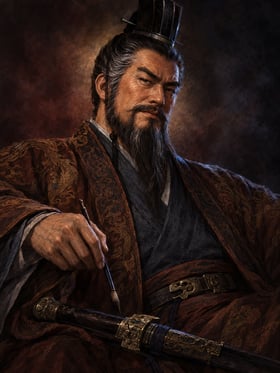
Cao Cao stood seven chi tall, with narrow eyes and a long beard, riding a white horse with a golden saddle, in a jade belt and brocade robe.

Life
In the novel: 83 chapters · In the Records: 52 volumes
Life155–220
184 CE (Zhongping 1)
189 CE (Zhongping 6)
- Assassination of He JinLuoyangWitness
- Cao Cao Raises an ArmyChenliuInstigator
101 more events
189 CE (Zhongping 6)
- Cao Cao Presents the BladeLuoyangParticipant
190 CE (Chuping 1)
- Campaign against Dong ZhuoSuanzaoCommander
- Battle of SishuiguanSishui PassWitness
192 CE (Chuping 3)
193 CE (Chuping 4)
194 CE (Xingping 1)
- Lü Bu's Seizure of YanzhouYan ProvinceCommander
- Fire Attack at PuyangPuyangCommander
195 CE (Xingping 2)
- The Emperor's Return to the EastLuoyangInstigator
- Defeat of Lü Bu at DingtaoDingtaoCommander
196 CE (Jian'an 1)
- Stratagem of Two Tigers Fighting over FoodXuchangInstigator
- Beginning of the Tuntian Military-Agricultural ColoniesXuchangInstigator
- Xu Huang Joins Cao CaoLuoyangCommander
- Cao Cao Escorts the Emperor and Moves the Capital to XuXuchangInstigator
- Moving the Imperial Court to XuLuoyangInstigator
- Xun Yu's Counsel to Escort the EmperorJuanchengCommander
- Guo Jia Leaves Yuan Shao and Joins Cao CaoYeCommander
- Zhong Yao Superintends GuanzhongChang'anInstigator
197 CE (Jian'an 2)
198 CE (Jian'an 3)
199 CE (Jian'an 4)
200 CE (Jian'an 5)
- Guan Yu Slays Yan LiangBaimaCommander
- Guan Yu Passes Five Passes and Slays Six GeneralsWitness
- Guan Yu Surrenders to Cao CaoXiapiInstigator
- Hua Xin Leaves Wu and Enters Xu (Capital)XuchangInstigator
- Guan Yu's Three Conditions at TushanXiapiCommander
- Battle of GuanduGuanduCommander
- Guan Yu Hangs Up His Seal and Returns the GoldXuchangWitness
- Cao Chong Weighs the ElephantYeWitness
- Battle of BomaBaimaCommander
- Girdle EdictXuchangVictim
- Guan Yu Takes the Robe at Ba BridgeParticipant
201 CE (Jian'an 6)
- Battle of CangtingCangtingCommander
- Wei Ji's Salt Office PolicyChang'anInstigator
- Cao Cao Pacifies HebeiYeCommander
- Battle of RangshanMount RangCommander
202 CE (Jian'an 7)
203 CE (Jian'an 8)
- Yu Jin Executes Chang XiDonghaiInstigator
- Battle of LiyangLiyangCommander
204 CE (Jian'an 9)
- Battle of YeYeCommander
205 CE (Jian'an 10)
- Battle of NanpiNanpiCommander
- Battle of HukouguanHuguanCommander
- Yuan Tan Slain at PingyuanNanpiCommander
207 CE (Jian'an 12)
208 CE (Jian'an 13)
- Liu Cong's Surrender to Cao CaoXiangyangInstigator
- The Death of Hua TuoXuchangInstigator
- Huarong RoadHuarong RoadCommander
- Execution of Kong RongXuchangInstigator
- Cao Cao's Southern Campaign Against Jing ProvinceJing ProvinceCommander
- Cao Cao Abolishes the Three Excellencies and Appoints Himself ChancellorXuchangInstigator
- Cao Cao Has Hua Tuo ExecutedXuchangInstigator
- Battle of Red CliffsChibi (Red Cliffs)Commander
- Bitter-Flesh StratagemChibi (Red Cliffs)Victim
- Battle of Red CliffsChibi (Red Cliffs)Commander
- Battle of ChangbanChangbanCommander
210 CE (Jian'an 15)
211 CE (Jian'an 16)
212 CE (Jian'an 17)
- Death of Xun YuShouchunInstigator
- Deliberation on Establishing the Five-Rank PeerageYeInstigator
- Execution of Ma TengXuchangInstigator
213 CE (Jian'an 18)
- Establishment of the Wei StateYeInstigator
- Cui Yan Publicly Endorses Cao Pi as HeirYeWitness
- Cao Cao Elevated to Duke of WeiYeInstigator
- Battle of RuxukouRuxukouCommander
214 CE (Jian'an 19)
- Death of Empress FuXuchangInstigator
215 CE (Jian'an 20)
- Zhang Lu Surrenders to Cao CaoNanzhengCommander
- Cao Cao's Campaign Against Zhang LuHanzhongCommander
- Battle of Yangping PassYangping PassCommander
- Lu Xun Defeats Fei ZhanDanyangInstigator
216 CE (Jian'an 21)
- Death of Cui YanYeInstigator
- Cao Cao Created King of WeiYeInstigator
- Gan Ning's Hundred Horsemen Raid on the Wei CampRuxukouCommander
- Battle of Ruxu (217)RuxukouCommander
217 CE (Jian'an 22)
- Succession Struggle Between Cao Pi and Cao ZhiYeInstigator
- Cao Zhi's Sima Gate IncidentYeInstigator
- Cao Pi Named Heir ApparentYeInstigator
218 CE (Jian'an 23)
219 CE (Jian'an 24)
- Death of Yang XiuHanzhongInstigator
- Battle of Han RiverHan RiverCommander
- Wei Feng's ConspiracyYeCommander
220 CE (Huangchu 1)
220 CE (Huangchu 1)
Allegiance
Appearances
By chapter (135)
Outlined chapters have spoken lines; tap one to read them.
Novel
- Dong Zhuo's Faction
- Yuan Shao's Faction
- Cao Wei
- Hatched: dated by chapter
- Life event
- Death
List all 12 stops
- Qiao155Birthplace
- Langya198Zang Ba Submits to Cao Cao
- Chang'an201Wei Ji's Salt Office Policy
- White Wolf Mountain207Cao Cao's Campaign Against the Wuhuan+1 more
- Jing Province208Cao Cao's Southern Campaign Against Jing Province
- Ruxukou213Battle of Ruxukou
- Yangping Pass215Battle of Yangping Pass
- Danyang215Lu Xun Defeats Fei Zhan
- Hanzhong218Hanzhong Campaign
- Ye219Wei Feng's Conspiracy
- Hanzhong219Death of Yang Xiu+1 more
- Luoyang220Died hereCao Cao Dies and Emperor Wen of Wei Ascends the Throne+2 more
On the boards
Compare with someone →Where this person ranks on each board.
- Most Advisors: #1Records
- Most Battles Lost: #1Records
- Most Battles Won: #1Records
- Most Betrayed: #1Romance
- Best Connected: #1Records
- Most Executions Ordered: #1Records
- Saw Through the Most: #1Records
- Master Strategists: #1Records
- Plans That Worked: #1Records
- Most Talkative: #1Records
- Most Battles: #1Both
- Counsel Ignored: #3Records
- Stratagem Success Rate: #7Records
Who they were
Character profile
- Appearance
- Cao Cao stood seven chi tall, with narrow eyes and a long beard, riding a white horse with a golden saddle, in a jade belt and brocade robe.
- Character
- In his youth Cao Cao was alert and resourceful, full of scheming, chivalrous and unrestrained, and did not tend to any occupation; he said of himself, 'I will employ the wits and strength of all under Heaven, governing them with the Way.' Suspicious and decisive, clever and adaptable, ruthless and conceited, he held great ambitions and a keen desire to uphold the altars of state with all his strength.
- Manner of speech
- Cao Cao defended himself cleverly: even as a youth he could clear himself of his uncle's slander, and he was delighted to hear Xu Shao's verdict of 'a crafty hero.' Impassioned and stirring, he was adept at rousing his comrades with words, and often analyzed the advantages and disadvantages of a situation; on the question of the Mandate of Heaven he held to a forbearing refusal: 'If the Mandate of Heaven rests with me, then I shall be King Wen of Zhou.'
- Life
- Cao Cao was a native of Qiao in the Pei state, surnamed Cao, named Cao and styled Mengde, a descendant of the Han Chancellor Cao Can and the son of Cao Song, who was the adopted son of Cao Teng. At twenty he was recommended as a Filial and Incorrupt candidate and made a Gentleman, appointed Commandant of the Northern Section of Luoyang, and later promoted to Chancellor of Jinan; in the sixth year of Zhongping he raised troops to attack Dong. He received the Son of Heaven and made Xu the capital, was appointed Grand General and enfeoffed as Marquis of Wuping, defeated Yuan Shao at Guandu and thereupon pacified the region north of the Yellow River, and later became Chancellor, Duke of Wei, and King of Wei, dying at Luoyang in the twenty-fifth year of Jian'an at the age of sixty-six.
- Weapons
- Cao Cao once borrowed the Seven-Star treasured sword from Wang Yun.
- Anecdotes
- Cao Cao was a powerful minister at the end of the Eastern Han and the founder of the state of Wei, posthumously honored in the first year of Huangchu as Emperor Wu. He used the various Xiahou and Cao kinsmen as his trusted intimates, established a military and political foundation, repeatedly tested his sons by asking about their aspirations, and loved to cultivate talent.
Historical Record
Cao Cao, courtesy name Mengde, was from Qiao in Pei State. He was the son of Cao Song and the adopted grandson of Cao Teng. As a youth, he was quick-witted and resourceful, but also chivalrous, unruly, and careless of his career; he was not highly regarded by society in his early years. Qiao Xuan and He Yong, however, believed he had the talent to bring peace to the realm. At twenty, he was recommended as a xiaolian and appointed a gentleman of the palace guard. He served as Commandant of the Northern Section of Luoyang, was later transferred to be magistrate of Dunqiu, and subsequently appointed a Gentleman of Discussion. He once submitted a memorial earnestly remonstrating against the government, but seeing the political situation grow increasingly chaotic, he claimed illness and returned to his hometown. After the Yellow Turban uprising began, Cao Cao was appointed Cavalry Commandant to campaign against the Yellow Turbans in Yingchuan. He later became Chancellor of Jinan, where he impeached eight corrupt senior officials and banned illicit sacrifices, bringing order to the commandery.
When Dong Zhuo entered the capital, deposed the emperor, and threw the court into chaos, Cao Cao changed his name and headed east. Reaching Chenliu, he dispersed his family wealth to raise an army against Dong Zhuo. When the eastern provincial lords formed an alliance, he was appointed General Who Displays Martial Prowess. He urged them to advance while Dong Zhuo was burning the palaces and forcing the emperor to move west, but failed to persuade the generals at Suanzao. He fought Dong Zhuo’s forces at the Bian River in Xingyang, was defeated, and escaped. Cao Cao later entered Dong Commandery and defeated Bai Rao, receiving appointment as its governor. After the Yellow Turban rebellion in Yanzhou, he became Governor of Yanzhou, defeated the Yellow Turbans and accepted their surrender, selecting the elite troops and naming them the Qing Province Army. During this period, he contested Yanzhou with Lü Bu. After a standoff at Puyang, he eventually laid an ambush in the Dingtao area, defeated Lü Bu, and recovered Yanzhou.
In the first year of Jian’an, Cao Cao welcomed Emperor Xian to Xu, was appointed Grand General and enfeoffed as Marquis of Wuping, and then strengthened military provisions through the tuntian system. Zhang Xiu once surrendered and then rebelled again. Cao Cao was defeated, and his eldest son, Cao Ang, among others, was killed. After assessing the reasons for the defeat, Cao Cao fought Zhang Xiu again and used a surprise force at Anzhong to crush his army. In the thirteenth year of Jian’an, Cao Cao became chancellor. Regarding Yuan Shao, he judged that Yuan Shao had great ambitions but little insight, and was strong in appearance but weak within. On the eve of the Battle of Guandu, Yuan Shao held four provinces and had abundant troops and provisions, yet Cao Cao still prepared to advance on Liyang and made ready for battle at Guandu. Cao Cao was later enfeoffed as Duke of Wei and elevated to King of Wei, becoming the founder of the state of Wei. He died in Luoyang in the twenty-fifth year of Jian’an, aged sixty-six, and was posthumously given the title King Wu. He was buried at Gaoling.
In the Novel
Romance of the Three Kingdoms portrays Cao Cao as a figure who displayed resourcefulness from a young age, judged circumstances astutely, and acted decisively. The novel says that as a boy he feigned a seizure to escape his uncle’s accusation. It also groups the assessments of Qiao Xuan, He Yong, and Xu Shao into a single foreshadowing episode: Xu Shao declares that Cao Cao is “a capable minister in times of peace, a cunning hero in times of chaos,” and Cao Cao is delighted to hear it. The historical accounts likewise describe his youthful resourcefulness and record Xu Shao’s assessment, but the novel weaves the childhood anecdote together with these judgments to create a more vivid introduction to the character.
When He Jin plotted to eliminate the eunuchs, the novel has Cao Cao repeatedly urge him not to summon troops from outside the capital, predicting that the plan will fail. This accords with the historical account of Cao Cao criticizing the call for outside generals and arguing that only the chief offenders needed to be executed; the court dialogue and specific scenes, however, are part of the novel’s narrative. The novel also depicts him as a lone, daring plotter who attempts to assassinate Dong Zhuo: he borrows the Seven-Star Sword from Wang Yun, offers it to Dong Zhuo to escape after the assassination attempt is discovered, and then meets Chen Gong at Zhongmu. The mistaken killing of Lü Boshe’s household and Lü Boshe himself, followed by Cao Cao’s declaration, “I would rather betray the world than let the world betray me,” are episodes and a famous line unique to the novel. The historical account only records that Cao Cao killed several people after leaving Dong Zhuo, while preserving different versions of what happened, as related by various commentators, along with the saying, “I would rather betray others than have others betray me.”
The novel’s Cao Cao also values merit over birth. When Guan Yu volunteers to fight Hua Xiong, Cao Cao speaks up on his behalf; when Zhang Fei wants to press the advantage and Yuan Shu rebukes him, Cao Cao again intervenes to smooth things over, then secretly sends oxen and wine to comfort Liu Bei and his two companions. These episodes portray him as perceptive and adept at winning allies, and are unique to the novel.
Key Relationships
Cao Song was Cao Cao’s Zhi Fu; Cao Teng was Cao Song’s adoptive father, and through him Cao Cao belonged to the Cao clan. The historical account says that the identity of Cao Song’s biological father is difficult to establish. The novel goes further, claiming that Cao Song originally had the surname Xiahou, and uses this to emphasize Cao Cao’s clan relationship with Xiahou Dun and Xiahou Yuan. This specific account of his family background appears here only in the novel.
Cao Cao and Yuan Shao were both among the lords who campaigned against Dong Zhuo in their early years, and Cao Cao supported Yuan Shao as their alliance leader. Later, their positions on the deposition and succession of emperors and on who should rule the realm increasingly diverged, and they became principal rivals. Cao Cao and Dong Zhuo became enemies after Cao Cao refused Dong Zhuo’s appointment and fled his control. In the historical account, Chen Gong once helped welcome Cao Cao to lead Yanzhou, but later joined Zhang Miao in rebelling and welcoming Lü Bu. The novel adds that Chen Gong left Cao Cao over the Lü Boshe incident; this reason for their parting is unique to the novel.
Signature Scenes
Raising an army at Chenliu to campaign against Dong Zhuo. After Dong Zhuo deposed the emperor and the capital fell into disorder, Cao Cao fled back to Chenliu, distributed his family wealth, and gathered volunteers. When the eastern provincial lords raised their armies, he was appointed General Who Displays Martial Prowess and urged them to seize the opportunity to advance west. The novel depicts him issuing a forged imperial edict, recruiting troops under a banner of “loyalty and righteousness,” and personally recommending Yuan Shao as alliance leader. The forged edict and banner details are unique to the novel.
Defeat at the Bian River and rebuilding the army. Cao Cao led his army west and was defeated by Xu Rong at the Bian River in Xingyang, suffering heavy casualties. Cao Hong gave him his horse so he could escape under cover of night. The defeat both reveals how weak his forces were when he first raised an army and provides a contrast with the way he later expanded his power through military strategy and organizational skill.
Welcoming the emperor and establishing himself at Xu. Cao Cao welcomed Emperor Xian as he returned east and escorted him to Luoyang, then moved the imperial carriage to Xu County. He received appointments including Grand General and subsequently introduced the tuntian system, stockpiling grain to supply military campaigns. In this way, a warlord on the battlefield gradually became the central figure controlling the court and its military and administrative resources.
Cao Cao’s assessment on the eve of Guandu. Faced with Yuan Shao’s large army and extensive territory, Cao Cao did not judge his opponent by appearances alone. He assessed Yuan Shao’s weaknesses by considering his character, military deployments, and coordination of government and military affairs. The historical account thus presents Cao Cao as skilled at judging circumstances.
Quotes
767 lines in the books · 3 featured
「寧教我負天下人,休教天下人負我。」
A classic maxim of Cao Cao, embodying his true nature as a ruthless hero and his pragmatism.
今天下英雄,惟使君與操耳。
The heart of 'Cao Cao and Liu Bei Discuss Heroes over Plum Wine,' displaying Cao Cao's discerning eye for men and his political ambition.
「諸公佳作,過譽甚矣。孤本愚陋,始舉孝廉。後值天下大亂,築精舍於譙東五十里,欲春夏讀書,秋冬射獵,以待天下清平,方出仕耳。不意朝廷徵孤為點軍校尉,遂更其意,專欲為國家討賊立功,圖死後得題墓道曰:『漢故征西將軍曹侯之墓』,平生願足矣。念自討董卓、剿黃巾以來,除袁術、破呂布、滅袁紹、定劉表,遂平天下。身為宰相,人臣之貴已極,又復何望哉?如國家無孤一人,正不知幾人稱帝,幾人稱王。或見孤權重,妄相忖度,疑孤有異心,此大謬也。孤常念孔子稱文王之至,此言耿耿在心。但欲孤委捐兵眾,歸就所封武平侯之職,實不可耳。誠恐一解兵柄,為人所害;孤敗則國家傾危,是以不得慕虛名而處實禍也。諸公必無知孤意者。」
Cao Cao recounts the ambition of his life, voicing his true thought that 'were it not for me, there is no telling how many would have proclaimed themselves emperor.'
- Family
- Lord & vassal
- Friends
- Enemies
- Teacher & student
- Other
History vs. novel
7 points · 1 novel-only
| History | Novel |
|---|---|
| The Young Cao Cao Feigns a StrokeNovel embellishes | |
Pei Songzhi’s annotation, citing the *Biography of Cao Man*, records that Cao Cao pretended to have suffered a stroke, making his father stop believing his uncle’s accusations and allowing him to continue behaving recklessly. vol. 1 | The novel says that Cao Cao feigned a stroke because his uncle had accused him, then deceived his father and was able to act even more freely. ch. 1 |
| Xu Shao’s Assessment of Cao CaoNovel embellishes | |
Cao Cao once asked Xu Shao what kind of person he was. Xu Shao replied that he was a capable minister in times of peace and a crafty hero in times of chaos; Cao Cao laughed heartily at this. vol. 1 | The novel says Cao Cao pressed Xu Shao repeatedly before receiving the assessment “crafty hero,” and changes the laughter recorded in history to “was overjoyed at the words.” ch. 1 |
| Attempted Assassination of Dong ZhuoNovel only | |
| — | The novel says Cao Cao tried to assassinate Dong Zhuo with a Seven-Star Sword. When Dong Zhuo awoke, Cao Cao escaped by presenting the sword to him; this dramatic episode of the attempted assassination appears in the Romance tradition. ch. 4 |
| The Mistaken Killing of Lü BosheNovel embellishes | |
Pei Songzhi’s annotation, citing the *Biography of Cao Man*, says Cao Cao suspected that Lü Boshe’s family meant to harm him and killed them; the *Records of the Three Kingdoms* does not record the famous line, “I would rather betray the world than let the world betray me.” vol. 1 | The novel says Cao Cao and Chen Gong mistakenly believed the Lü family intended to kill them, so they killed all eight members of the household. Lü Boshe then returned with wine, making the scene more dramatic. ch. 4 |
| Cao Cao’s Cudgel Execution in LuoyangNovel embellishes | |
Pei Songzhi’s annotation, citing the *Biography of Cao Man*, records that Cao Cao set up five-colored cudgels. When Jian Shuo’s uncle broke the curfew by going out at night, Cao Cao had him beaten to death with a cudgel, and the capital consequently became more restrained. vol. 1 | The novel retains the episode of Cao Cao beating Jian Shuo’s uncle to death with a cudgel, and adds that he set up cudgels at all four gates, greatly enhancing his reputation; it also depicts the victim as carrying a knife while out at night. ch. 1 |
| Victory over Yuan Shao at GuanduHistory only | |
While Cao Cao and Yuan Shao were locked in a standoff at Guandu, Dian Wei and other retainers transported grain to support the army. After defeating Yuan Shao, Cao Cao continued pursuing the Yuan forces. vol. 18 | — |
| Guan Yu Bids Farewell to Cao CaoNovel embellishes | |
After Guan Yu killed Yan Liang, he returned and sealed away the gifts Cao Cao had bestowed on him, then left a letter of farewell and went to join Liu Bei. Cao Cao considered that each man served his own lord and stopped his subordinates from pursuing Guan Yu. vol. 36 | The novel elaborates on the three conditions Guan Yu set when he surrendered to Cao Cao, and says that when he encountered Cao Cao on Huarong Road, he refused to let him pass despite their former kindness. ch. 25 |
- The Young Cao Cao Feigns a StrokeNovel embellishes
- History
Pei Songzhi’s annotation, citing the *Biography of Cao Man*, records that Cao Cao pretended to have suffered a stroke, making his father stop believing his uncle’s accusations and allowing him to continue behaving recklessly.
vol. 1
- Novel
The novel says that Cao Cao feigned a stroke because his uncle had accused him, then deceived his father and was able to act even more freely.
ch. 1
- Xu Shao’s Assessment of Cao CaoNovel embellishes
- History
Cao Cao once asked Xu Shao what kind of person he was. Xu Shao replied that he was a capable minister in times of peace and a crafty hero in times of chaos; Cao Cao laughed heartily at this.
vol. 1
- Novel
The novel says Cao Cao pressed Xu Shao repeatedly before receiving the assessment “crafty hero,” and changes the laughter recorded in history to “was overjoyed at the words.”
ch. 1
- Attempted Assassination of Dong ZhuoNovel only
- Novel
The novel says Cao Cao tried to assassinate Dong Zhuo with a Seven-Star Sword. When Dong Zhuo awoke, Cao Cao escaped by presenting the sword to him; this dramatic episode of the attempted assassination appears in the Romance tradition.
ch. 4
- The Mistaken Killing of Lü BosheNovel embellishes
- History
Pei Songzhi’s annotation, citing the *Biography of Cao Man*, says Cao Cao suspected that Lü Boshe’s family meant to harm him and killed them; the *Records of the Three Kingdoms* does not record the famous line, “I would rather betray the world than let the world betray me.”
vol. 1
- Novel
The novel says Cao Cao and Chen Gong mistakenly believed the Lü family intended to kill them, so they killed all eight members of the household. Lü Boshe then returned with wine, making the scene more dramatic.
ch. 4
- Cao Cao’s Cudgel Execution in LuoyangNovel embellishes
- History
Pei Songzhi’s annotation, citing the *Biography of Cao Man*, records that Cao Cao set up five-colored cudgels. When Jian Shuo’s uncle broke the curfew by going out at night, Cao Cao had him beaten to death with a cudgel, and the capital consequently became more restrained.
vol. 1
- Novel
The novel retains the episode of Cao Cao beating Jian Shuo’s uncle to death with a cudgel, and adds that he set up cudgels at all four gates, greatly enhancing his reputation; it also depicts the victim as carrying a knife while out at night.
ch. 1
- Victory over Yuan Shao at GuanduHistory only
- History
While Cao Cao and Yuan Shao were locked in a standoff at Guandu, Dian Wei and other retainers transported grain to support the army. After defeating Yuan Shao, Cao Cao continued pursuing the Yuan forces.
vol. 18
- Guan Yu Bids Farewell to Cao CaoNovel embellishes
- History
After Guan Yu killed Yan Liang, he returned and sealed away the gifts Cao Cao had bestowed on him, then left a letter of farewell and went to join Liu Bei. Cao Cao considered that each man served his own lord and stopped his subordinates from pursuing Guan Yu.
vol. 36
- Novel
The novel elaborates on the three conditions Guan Yu set when he surrendered to Cao Cao, and says that when he encountered Cao Cao on Huarong Road, he refused to let him pass despite their former kindness.
ch. 25
Combat
On the field
Duels, kills and executions as the texts tell them, counted separately for the Records and the Romance.
Records
- Duels
- 0W 0L 0D
By their troops 15Executions 12
Romance
- Duels
- 0W 0L 0D
By their troops 2Executions 38
- RecordsJuan 1Struck downXue LanWon「遂斬蘭等」
- RecordsJuan 1Struck downLiu PiWon「斬辟、邵等」
- RecordsJuan 1Struck downHuang ShaoWon「斬辟、邵等」
- RecordsJuan 1Struck downQiao RuiWon「擊破蕤等,皆斬之」
- RecordsJuan 1Struck downLi FengWon「擊破蕤等,皆斬之」
- RecordsJuan 1Struck downLiang GangWon「擊破蕤等,皆斬之」
All encounters (69)
Loading…
Battles in command
Battles this person commanded in, with the outcome as each text tells it.
- Records
- 15W 4L 0D 1 undecided
- Romance
- 14W 4L 0D 5 undecided
- Romance190Campaign against Dong ZhuoUndecidedvs Dong ZhuoCh. 6「袁紹見眾人各自分散,就領兵拔寨,離洛陽,投關東去了」
- Records197Battle of WanchengLostvs Zhang XiuJuan 1「張繡降,旣而悔之,復反。公與戰,軍敗,爲流矢所中」
- Romance197Battle of WanchengWonvs Zhang Xiu's armyCh. 16「繡軍大敗,追殺百餘里。繡勢窮力孤,引敗兵投劉表去了」
- Records198Battle of XiapiWonvs Lü Bu's armyJuan 1「布將宋憲、魏續等執陳宮,舉城降,生禽布、宮」
- Romance198Battle of XiapiWonvs Lü Bu's armyCh. 19「已生擒呂布矣」
- Records200Battle of GuanduWonvs Yuan Shao's armyJuan 1「紹衆大潰,紹及譚棄軍走」
All battles (43)
Loading…
Stratagems
Plans this person devised or saw through, as the texts tell them.
- Records
- 28 carried out · 24 worked · 1 turned down · 3 seen through
- Romance
- 35 carried out · 26 worked · 0 turned down · 8 seen through
- RecordsChange One's NameDeceptionWorkedJuan 1「太祖乃變易姓名,間行東歸」
- RecordsFeigned TroopsFeintTurned downJuan 1「皆高壘深壁,勿與戰,益爲疑兵,示天下形勢」
- RecordsAttack the Main GarrisonOtherWorkedagainst Du and othersJuan 1「太祖乃引兵西入山,攻毒等本屯」
- RecordsFlood the EnemySiegeWorkedagainst Yuan ShuJuan 1「追到太壽,決渠水灌城」
- RecordsAmbushAmbushWorkedagainst Lu BuJuan 1「時太祖兵少,設伏,縱奇兵擊,大破之」
- RecordsLure the EnemyLureWorkedagainst Zhang Xiu and Liu Biao's troopsJuan 1「會明,賊謂公爲遁也,悉軍來追。乃縱奇兵步騎夾攻,大破之」
All stratagems (76)
Loading…
Events
Events (132)
Battles and events the texts place this person in, by date.
Battles
- 190Campaign against Dong ZhuoCommander
- 190Battle of SishuiguanWitness
- 192Battle of Jieqiao
- 197Battle of WanchengCommander
- 198Battle of XiapiCommander
- 199Battle of Yijing
- 200Battle of GuanduCommander
- 200Battle of BomaCommander
All 31
- 201Battle of CangtingCommander
- 201Battle of RangshanCommander
- 202Fire Attack at Bowang
- 203Battle of LiyangCommander
- 204Battle of YeCommander
- 205Battle of NanpiCommander
- 205Battle of HukouguanCommander
- 207Battle of White Wolf MountainCommander
- 208Huarong RoadCommander
- 208Cao Cao's Southern Campaign Against Jing ProvinceCommander
- 208Battle of Jiangling
- 208Battle of Red CliffsCommander
- 208Borrowing Arrows with Straw Boats
- 208Battle of Red CliffsCommander
- 208Battle of ChangbanCommander
- 211Battle of Tong PassCommander
- 213Battle of RuxukouCommander
- 215Battle of Yangping PassCommander
- 216Battle of Ruxu (217)Commander
- 218Hanzhong CampaignCommander
- 219Guan Yu's Northern Campaign
- 219Battle of Mount Dingjun
- 219Battle of Han RiverCommander
Other events
- 184Zhang Yan and the Black Mountain ArmyInstigator
- 184Yellow Turban Rebellion
- 189Assassination of He JinWitness
- 189Cao Cao Raises an ArmyInstigator
- 189Dong Zhuo's Coup
- 189Cao Cao Presents the Blade
- 192Cao Cao Defeats the Qingzhou Yellow TurbansCommander
- 192Turmoil of Li Jue and Guo Si
All 101
- 192Mao Jie Advocates the Strategy of Serving the EmperorCommander
- 193Murder of Cao Song
- 193Cao Cao's Campaign Against Xu ProvinceCommander
- 194Lü Bu's Seizure of YanzhouCommander
- 194Fire Attack at PuyangCommander
- 195The Emperor's Return to the EastInstigator
- 195Sun Ce's Pacification of Jiangdong
- 195Defeat of Lü Bu at DingtaoCommander
- 196Stratagem of Two Tigers Fighting over FoodInstigator
- 196Beginning of the Tuntian Military-Agricultural ColoniesInstigator
- 196Xu Huang Joins Cao CaoCommander
- 196Cao Cao Escorts the Emperor and Moves the Capital to XuInstigator
- 196Moving the Imperial Court to XuInstigator
- 196Xun Yu's Counsel to Escort the EmperorCommander
- 196Guo Jia Leaves Yuan Shao and Joins Cao CaoCommander
- 196Zhong Yao Superintends GuanzhongInstigator
- 197The Ten Victories and Ten Defeats TheoryCommander
- 197Zhang Xiu's Night Raid on WanchengCommander
- 197Cao Cao's Campaign Against Yuan ShuCommander
- 198Flooding of Xiapi via the Yi and Si RiversCommander
- 198Cao Cao Cuts His Hair in Place of His HeadCommander
- 198Duan Wei and Wu Xi Execute Li Jue and Guo SiWitness
- 198Mi Heng Beats the Drum and Reviles Cao CaoInstigator
- 198Zang Ba Submits to Cao CaoCommander
- 198Chen Deng's Double-Agent Stratagem Against Lü Bu
- 199Zhang Xiu Surrenders to Cao CaoInstigator
- 199Trial at White Gate TowerCommander
- 199Defeat and Death of Yuan Shu
- 199Cao Cao and Liu Bei Discuss Heroes over Plum WineInstigator
- 200Guan Yu Slays Yan LiangCommander
- 200Guan Yu Passes Five Passes and Slays Six GeneralsWitness
- 200Guan Yu Surrenders to Cao CaoInstigator
- 200Hua Xin Leaves Wu and Enters Xu (Capital)Instigator
- 200Guan Yu's Three Conditions at TushanCommander
- 200Death of Sun Ce
- 200Guan Yu Hangs Up His Seal and Returns the GoldWitness
- 200Cao Chong Weighs the ElephantWitness
- 200Girdle EdictVictim
- 200Guan Yu Takes the Robe at Ba Bridge
- 201Wei Ji's Salt Office PolicyInstigator
- 201Cao Cao Pacifies HebeiCommander
- 202Sun Quan Refuses to Send His Son to the Wei Court
- 203Yu Jin Executes Chang XiInstigator
- 205Yuan Tan Slain at PingyuanCommander
- 207Cao Cao's Campaign Against the WuhuanCommander
- 207Cheng Yu's Forged Letter Lures Xu ShuCommander
- 207Death of Guo JiaWitness
- 208Liu Bei's Seizure of the Four Southern Jing Commanderies
- 208Liu Cong's Surrender to Cao CaoInstigator
- 208The Death of Hua TuoInstigator
- 208Zhao Yun Rescues His Lord on a Single Horse
- 208Execution of Kong RongInstigator
- 208Cao Cao Abolishes the Three Excellencies and Appoints Himself ChancellorInstigator
- 208Cao Cao Has Hua Tuo ExecutedInstigator
- 208Bitter-Flesh StratagemVictim
- 210Cao Cao Builds the Bronze Bird TerraceInstigator
- 210Bronze Bird Terrace Inauguration CeremonyInstigator
- 211Zhang Ji Defeats Ma Chao at HuayinCommander
- 211Zhang Song Presents the Map and Plots to Cede ShuWitness
- 211Cao Cao Cuts His Beard and Discards His RobeCommander
- 211Xu Chu Fights Ma Chao Bare-Chested
- 211Jia Xu Sows Discord Between Ma Chao and Han SuiCommander
- 212Siege of Jicheng
- 212Death of Xun YuInstigator
- 212Deliberation on Establishing the Five-Rank PeerageInstigator
- 212Execution of Ma TengInstigator
- 213Establishment of the Wei StateInstigator
- 213Cui Yan Publicly Endorses Cao Pi as HeirWitness
- 213Cao Cao Elevated to Duke of WeiInstigator
- 214Death of Empress FuInstigator
- 215Zhang Lu Surrenders to Cao CaoCommander
- 215Cao Cao's Campaign Against Zhang LuCommander
- 215Lu Xun Defeats Fei ZhanInstigator
- 216Death of Cui YanInstigator
- 216Cao Cao Created King of WeiInstigator
- 216Gan Ning's Hundred Horsemen Raid on the Wei CampCommander
- 217Succession Struggle Between Cao Pi and Cao ZhiInstigator
- 217Cao Zhi's Sima Gate IncidentInstigator
- 217Cao Pi Named Heir ApparentInstigator
- 218Cao Zhang's Northern Campaign Against the Wuhuan of Daijun
- 218Rebellion of Geng Ji and Wei Huang at XuVictim
- 219Liu Bei's Elevation to King of Hanzhong
- 219Death of Yang XiuInstigator
- 219Flooding of the Seven Armies
- 219Lü Meng's River Crossing in White
- 219Wei Feng's ConspiracyCommander
- 219Retreat to Mai Castle
- 220Death of Taizu and Jia Kui's Management of the FuneralVictim
- 220Cao Pi Supplants the Han
- 220Cao Cao Dies and Emperor Wen of Wei Ascends the Throne
- 220Gao Rou's Administration of Criminal LawWitness
- 237Gongsun Yuan Proclaims Himself King of Yan
- 249The Sima Clan's Seizure of Power
Famous objects
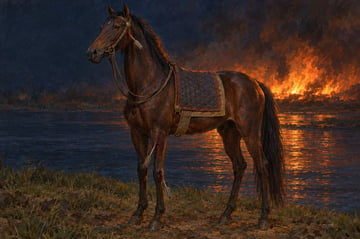
HorsesRecords
Jueying
rodeRecords

WritingsRecordsRomance
Cao Cao's Apologia
madeRecordsmadeRomance
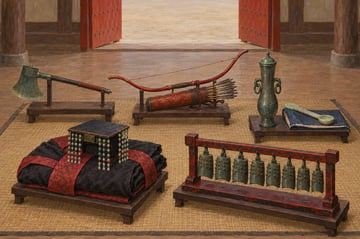
Treasures and regaliaRecordsRomance
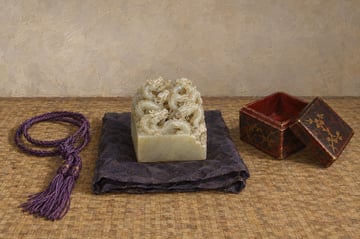
Nine Bestowments
heldRecordsheldRomance
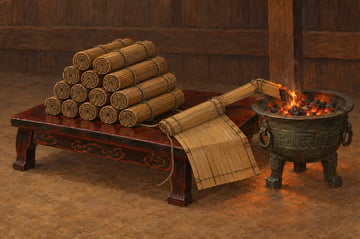
WritingsRecordsRomance
Mengde's New Book
heldRomancemadeRecordsmadeRomance
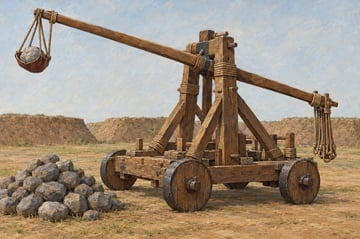
Devices and inventionsRecordsRomance
Thunder Carriage
madeRecordsmadeRomance
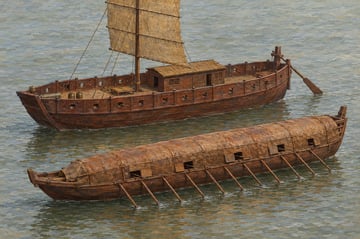
Devices and inventionsRecordsRomance
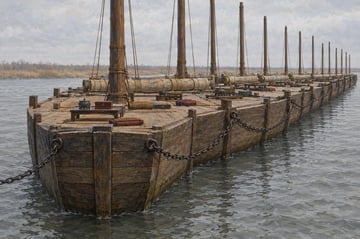
Mengchong and Doujian Warships
usedRecordsusedRomance
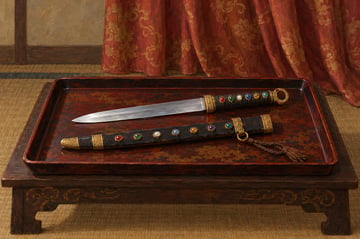
WeaponsRomance
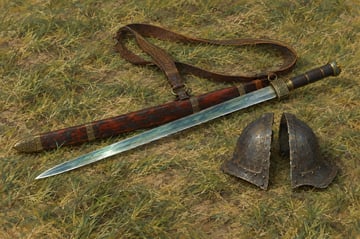
Seven-Star Sword
wieldedRomancegave → Dong ZhuoRomance
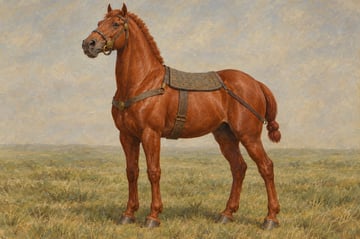
HorsesRecordsRomance
Red Hare
heldRomancegave → Guan YuRomance
5 more




Places
- Native of
- QiaoRecords
- Was at
- Governed
- Yan ProvinceRecords
- Ji ProvinceRecords
- Liang ProvinceRecords
- Sili ProvinceRecords
- You ProvinceRecords
- Xu ProvinceRecords
- JiangxiaRecords
- JianglingRecords
- Jing ProvinceRecords
- XuchangRecords
- YeRecords
- Chang'anRecords
22 more
- Qing ProvinceRecords
- XiapiRecords
- DonghaiRecords
- JuanchengRecords
- HuguanRecords
- XiangyangRecords
- HefeiRecords
- LujiangRecords
- ShangyongRecords
- DingtaoRecords
- PingyuanRecords
- NanzhengRecords
- HanzhongRecords
- YingchuanRecords
- Yangping PassRecords
- LiuchengRecords
- BeihaiRecords
- NanpiRecords
- Dong CommanderyRecords
- Wei CommanderyRecords
- Hedong CommanderyRecords
- Julu CommanderyRecords
- Died at
- LuoyangRecords
Continue
Lived · walk through his life
They call you a treacherous hero. At those turning points, in his place, what would you choose?
Relationship timeline147 entries ▸
History · vol. 1
- He Yong§2
Friend
Only Qiao Xuan of Liang State and He Yong of Nanyang regarded him as exceptional
- Wang Fen§4
Rival
Wang Fen told Taizu of the plot; Taizu refused
Enemy
refused Dong Zhuo’s appointment; fled back to his hometown, dispersed his family wealth to raise righteous troops, intending to destroy Zhuo
- Xu Rong§7
Fights
fought at Bianshui in Xingyang; the engagement went badly
- Yuan Shao§11
Rival
opposed the proposal to establish Yu as emperor; also opposed his display of the jade seal; “therefore he increasingly considered Shao in the wrong and plotted to destroy him”
- Yuan Shao§19
Friend
joined Shao in attacking Yuan Shu, Gongsun Zan, and others, defeating them all
- Tao Qian§23
Enemy
His father Song was killed by Tao Qian; he was intent on taking revenge and campaigning east
- Lü Bu§24
Enemy
held out against Bu for over a hundred days; later captured and killed him at Xiapi
- Zhang Xiu§35
Betrayer
Surrendered and then rebelled again, killing his eldest son Ang and his younger brother's son Anmin
- Lü Bu§39
Enemy
diverted the Si and Yi Rivers to flood Xiapi; captured Chen Gong, took Bu and Gong alive, and killed them all
- Bi Chen§40
Student
thanked him and sent him back to his mother; when he was captured alive after Bu was defeated, he was appointed chancellor of Lu
- Wei Zhong§41
Student
was recommended as a Filial and Incorrupt; at Shequan, captured him alive, released him, and employed him
- Gao Gan§67
Betrayer
When the Duke captured Ye, Gan surrendered; later rebelled with the province
All 147
Loading…
Inner monologues · AI-generated3 monologues ▸
- Throughout my life, I have often cleared the way with the edge of my army, and often settled matters by winning people’s
- I, Cao Mengde, have come this far relying neither on valor in a single moment nor on the words “Mandate of Heaven” alone
- In my youth, I was quick-witted and alert, and always thinking of ways to adapt. Yet I was also unruly and free-spirited