Cao Wei · Queen → Empress Dowager → Grand Empress Dowager
Empress Dowager Bian
also called 卞氏、卞太后 · 161–230
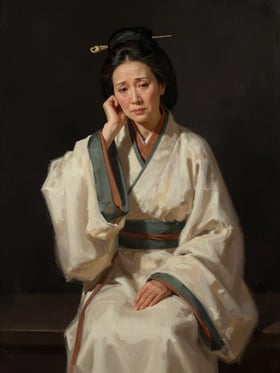
Empress Dowager Bian, Cao Cao’s wife and Cao Pi’s mother, was famed for thrift and generosity; in the novel, she weeps as she pleads for Cao Zhi’s life.
Life
In the novel: 3 chapters · In the Records: 7 volumes
Life161–230
216 CE (Jian'an 21)
217 CE (Jian'an 22)
- Cao Pi Named Heir ApparentYeWitness
220 CE (Huangchu 1)
Allegiance
- Cao Wei
- Life event
List all 2 stops
- Kaiyang161Birthplace
- Ye216–220Cao Cao Created King of Wei+2 more
On the boards
Compare with someone →Where this person ranks on each board.
Historical Record
Empress Dowager Bian was the Empress Bian, titled Wu Xuan, referred to in the Records of the Three Kingdoms. She was from Kaiyang, Langya, and was Cao Cao’s wife and Cao Pi’s mother. She was born into a family of entertainers. When she was twenty, Cao Cao took her as a concubine in Qiao; she later accompanied him to Luoyang. During Dong Zhuo's Coup, Cao Cao left eastward in disguise to escape danger. Some of his attendants wanted to leave, but Lady Bian urged them not to return home just because of alarming news. If Cao Cao met with disaster, she said, they would all die together without fear. When Cao Cao heard of this, he praised her. In the early Jian'an era, Lady Ding was deposed and Lady Bian became Cao Cao’s principal wife. Cao Cao also had her raise his sons who had no living mothers. She continued to treat the deposed Lady Ding with courtesy, often sending her gifts and inviting her to take a seat, while taking a lower place herself. Lady Bian was frugal by nature and disdained luxury. When choosing jewelry, she would select items of middling value, saying she would take neither the most expensive nor the shabbiest.
After Cao Cao made Cao Pi crown prince, senior palace attendants congratulated Lady Bian and urged her to distribute rewards from the household stores. Lady Bian said Cao Pi had been chosen because he was the eldest; she had only to be grateful that she had not taught him poorly and should not bestow lavish rewards on that account. When Cao Cao heard this, he praised her for keeping her emotions within due bounds. In the twenty-fourth year of Jian'an, Lady Bian was appointed queen. The appointment decree praised her for raising the sons and possessing the virtues befitting a mother to the realm. The following year, Cao Cao died, and Cao Pi succeeded him as king, honoring her as queen dowager. After Cao Pi became emperor, he further honored her as empress dowager, and she lived in Yongshou Palace. After Emperor Ming ascended the throne, he honored her as grand empress dowager. She was the mother of Cao Pi, Cao Zhang, Cao Zhi, and Cao Xiong.
Even as empress dowager, Lady Bian maintained her frugal ways. The Wei Shu, quoted in Pei Songzhi’s commentary, records that when state funds were insufficient, she reduced the imperial meals and did away with gold and silver utensils. She also kept her maternal relatives in check, refusing to seek rewards for them on the basis of family ties. On one occasion, she intervened when Cao Hong’s wet nurse was imprisoned, sending a palace eunuch to convey an order. During Emperor Ming’s reign, Sima Zhi, unaware of the order, proceeded with the matter on his own. He later submitted a memorial asking for punishment, and Emperor Ming replied by pardoning him.
In the sixth month of the fourth year of Taihe, Grand Empress Dowager Bian died. In the seventh month of that year, Empress Wu Xuan Bian was buried alongside Cao Cao at Gaoling.
In the Novel
Romance of the Three Kingdoms portrays Lady Bian as an adviser who counsels at the intersection of her roles as Wei’s queen consort, a mother, and a figure in court politics. Chapter 68 relates that after Cao Cao was invested as King of Wei, he dismissed Lady Ding and made Lady Bian his consort, and it names the four sons she bore: Pi, Zhang, Zhi, and Xiong. This accords with historical records that she became Cao Cao’s principal wife, raised his sons, and was later appointed queen. However, the novel places her investiture as consort in the scene of Cao Cao’s appointment as King of Wei, while the dates and wording in the historical accounts differ.
The novel does not include the specific scene in the historical account in which Lady Bian restrained herself from accepting congratulations when Cao Pi was named heir. Instead, it draws her into the succession conflict between Cao Pi and Cao Zhi. After Cao Cao’s death, Cao Xiong dies and Cao Zhi is arrested. Lady Bian weeps and urges Cao Pi to remember their bond as brothers and spare Cao Zhi’s life. Cao Pi replies, “A mother’s command cannot be disobeyed.” Cao Pi then orders Cao Zhi to compose a poem in seven steps, and Lady Bian appears from behind the hall to rebuke the elder brother for persecuting his younger brother so harshly. The Records of the Three Kingdoms contains neither of these tearful remonstrations nor this portrayal of a court conflict through the poem of seven steps. They are literary inventions through which the novel highlights a mother’s affection and the moral constraints of family ties.
Key Relationships
- Cao Cao: Lady Bian was Cao Cao’s wife. She was first his concubine and later became his principal wife. During Dong Zhuo's Coup, she helped steady the people around Cao Cao; he praised her composure in a crisis and later appointed her queen, citing her care in raising his sons and her virtues as a mother to the realm.
- Cao Pi: Lady Bian’s son, later Emperor Wen of Wei. Historical records say that she did not seek a reward when Cao Pi was made crown prince. After he ascended the throne, he honored her as queen dowager and empress dowager. The novel additionally depicts her pleading for Cao Zhi during his conflict with Cao Pi. (The tearful remonstration is unique to the novel.)
- Cao Zhang, Cao Zhi, and Cao Xiong: All three were born to Lady Bian. The historical account explicitly identifies all four sons as hers; the novel makes Cao Zhi’s rescue and Cao Xiong’s death the direct reasons for Lady Bian’s intervention. (The related court scenes are unique to the novel.)
- Lady Ding: After Lady Ding was deposed, Lady Bian became Cao Cao’s principal wife. The historical account specifically notes that she held no grudge and continued to treat Lady Ding with courtesy, revealing a generosity not shown in the novel.
Signature Scenes
- Urging Cao Cao’s Attendants to Stay During Dong Zhuo's Coup: Alarming news about Cao Cao reached Luoyang, and those around him wanted to return to their homes. Lady Bian urged them to stay, saying, “If you return home today and he is still alive tomorrow, how will you face one another again?” She added that if disaster struck, they would bear it together. The historical account presents this as the reason Cao Cao praised her, and it shows her calm judgment in a crisis and her loyalty to those close to her.
- Declining to Seek Credit When Cao Pi Was Named Heir: Senior attendants congratulated Lady Bian and proposed giving out lavish rewards. She said her son had been chosen because he was the eldest, and that all she could ask was that she had not failed in teaching him. Cao Cao praised her for keeping her emotions within due bounds; this is one of the clearest portraits of her character in the historical account.
- Tearfully Remonstrating with Cao Pi in the Hall: In the novel, Lady Bian asks Cao Pi to remember his bond with his brother and spare Cao Zhi. Cao Pi then tests his younger brother by ordering him to compose a poem in seven steps, and she comes out of the hall to rebuke him for persecuting his brother so harshly. This sequence portrays her as a defender of family ties and is unique to the novel; the account of Lady Bian in the Records of the Three Kingdoms contains no such episode.
Quotes
4 lines in the books · 2 featured
「曹君吉凶未可知,今日還家,明日若在,何靣目復相見也?正使禍至,共死何苦!」
「王自以丕年大,故用爲嗣,我但當以免無教導之過爲幸耳,亦何爲當重賜遺乎!」
- Family
- Lord & vassal
Who is Empress Dowager Bian connected to?
Pick someone to see how many steps lie between them and Empress Dowager Bian.
Events
Events (4)
Battles and events the texts place this person in, by date.
Other events
- 216Cao Cao Created King of WeiWitness
- 217Succession Struggle Between Cao Pi and Cao Zhi
- 217Cao Pi Named Heir ApparentWitness
- 220The Quatrain of Seven StepsWitness
Places
- Native of
- KaiyangRecords
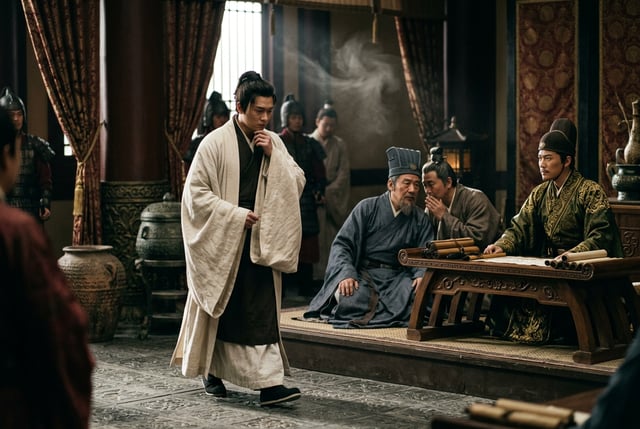
Continue
The Quatrain of Seven Steps
Relationship timeline8 entries ▸
History · vol. 1
- Cao Cao§118
Spouse
Made Lady Bian queen.
History · vol. 5
Novel · ch. 68
- Cao Cao§22
Spouse
Deposed Lady Ding and installed Lady Bian as the consort of the Prince of Wei
Novel · ch. 78
- Cao Cao§19
Spouse
Wife; bore four sons, Pi, Zhang, Zhi, and Xiong; after Cao’s death, intended to use the queen’s compassionate decree to install the heir
Novel · ch. 79
Inner monologues · AI-generated1 monologue ▸
- Today, Rui’er has inherited the imperial throne, and I have been honored as Grand Empress Dowager. Though court ceremoni