Shu Han · King of Liang
Liu Li
courtesy name 奉孝 · –244
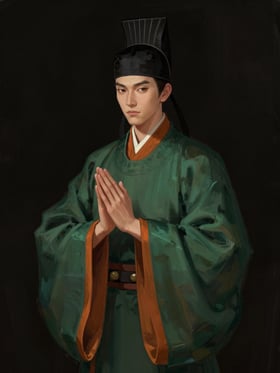
Liu Li, Liu Bei’s son and Liu Shan’s half-brother, became Prince of Liang, then Anping; the novel has him hear Liu Bei’s final charge.
Life
In the novel: 3 chapters · In the Records: 3 volumes
On the boards
Compare with someone →Where this person ranks on each board.
Historical Record
Liu Li, courtesy name Fengxiao, was a son of Liu Bei and a younger half-brother of the Later Lord, Liu Shan; he and Liu Yong had different mothers. In the sixth month of the first year of Zhangwu (221), Liu Bei ordered Situ Xu Jing to install Liu Li as King of Liang. The patent of appointment declared that he should establish a fief in the east and assist the Han house, and urged him to cherish and protect the people and govern his state with reverence and caution. The sources do not specify Liu Li’s age when he received his title or whether he took any actual part in government.
In the eighth year of Jianxing (230), Liu Li was transferred to the title of King of Anping. The reason was that the states of Liang and Lu lay along the border of territory controlled by Wu, so Liu Li, King of Liang, and Liu Yong, King of Lu, were both moved to new fiefs. In the fourth month of summer in the seventh year of Yanxi (244), Liu Li, King of Anping, died and was posthumously titled Prince Dao.
After Liu Li’s death, his son Liu Yin succeeded to the title, but died in the nineteenth year of Yanxi. His son Liu Cheng then succeeded him, but died in the twentieth year of Yanxi. In the fourth year of Jingyao, remembering that three generations in Liu Li’s line had died young and that the succession to the kingdom was about to end, Liu Shan ordered Liu Ji, Marquis of Wuyi, to succeed to the title of King of Anping. Liu Ji was also a son of Liu Li. In the first year of Xianxi, he moved east to Luoyang with the Shu Han imperial clan and was appointed Commandant of the Imperial Carriage and enfeoffed as a village marquis. Thus, the surviving historical accounts of Liu Li’s life focus chiefly on his enfeoffment as a member of the imperial clan, his transfer to another fief, and the succession of his descendants.
In the Novel
Romance of the Three Kingdoms places Liu Li within its account of Liu Bei’s family and the founding of the Shu Han dynasty. The novel says that after Liu Bei took Lady Wu as his consort, she bore Liu Yong and Liu Li, identifying Liu Li as his second son and giving him the courtesy name Fengxiao. This account of his family accords with the historical record’s description of his relationship to his father and brothers. After Liu Bei proclaimed himself emperor and changed the era name to Zhangwu, the novel also depicts Liu Li being enfeoffed as King of Liang, consistent with the historical record.
The novel further brings Liu Li into the scene in which Liu Bei, gravely ill, summons Zhuge Liang and makes arrangements for what is to come: Liu Li and Liu Yong, King of Lu, go together to Yongan Palace to hear Liu Bei’s final instructions. Liu Bei tells the three brothers to serve the chancellor as they would their father, after which the two princes bow to Zhuge Liang. This episode portrays Liu Li as a young member of the imperial clan who respectfully heeds his father’s commands and receives his instructions on entrusting the state to others. The farewell between father and sons and the sovereign’s charge to his minister heighten the emotional impact. The Records of the Three Kingdoms records Liu Li’s titles, transfer to another fief, and posthumous title, but does not mention his going to Yongan Palace or bowing to Zhuge Liang. These specific scenes are inventions of the novel, not details recorded in the historical accounts.
Key Relationships
- Liu Bei: Liu Li’s father. The historical accounts record that Liu Bei installed Liu Li as King of Liang in the first year of Zhangwu; the novel portrays Liu Li as the second son born to Liu Bei and Lady Wu and has him hear Liu Bei’s final instructions.
- Liu Shan: Liu Li’s elder half-brother and the Later Lord. The historical accounts call Liu Li “the Later Lord’s younger half-brother born of a concubine”; in the scene of Liu Bei’s accession, the novel has Liu Shan made heir apparent and Liu Li enfeoffed as King of Liang.
- Liu Yong: Liu Li’s half-brother. Both were sons of Liu Bei, and the historical accounts record their successive titles, including King of Liang and King of Lu. The novel also depicts them going together to Yongan Palace to hear Liu Bei’s final instructions.
- Liu Yin, Liu Cheng, and Liu Ji: All were sons of Liu Li. Liu Yin and Liu Cheng succeeded in turn to the title but died young; later, Liu Ji received an edict to succeed as King of Anping.
- Zhuge Liang: The chancellor to whom Liu Bei entrusts his sons in the novel. Liu Li heeds the instruction to “serve the chancellor as his father” and bows to Zhuge Liang—specific scenes unique to the novel; the Records of the Three Kingdoms does not record this meeting.
Signature Scenes
Enfeoffment as King of Liang: In the sixth month of the first year of Zhangwu, Liu Li was enfeoffed as King of Liang, becoming one of the vassal kings established by Liu Bei. The patent of appointment recorded in the historical accounts emphasizes Liang as a fief to support the dynasty and the charge to care for the people. The novel briefly depicts Liu Li receiving his title during the ceremony in which Liu Bei ascends the throne and grants titles to his ministers, highlighting the order of enfeoffment within the imperial clan of the new dynasty.
Transfer to the title of King of Anping: In the eighth year of Jianxing, Liu Li was transferred from the title of King of Liang to that of King of Anping because the fiefs of Liang and Lu lay along the border with Wu. This event reflects not personal military achievements but the adjustment of Shu Han fiefs in response to changing frontier circumstances.
Hearing Liu Bei’s final instructions at Yongan Palace (unique to the novel): The novel has Liu Li hurry with Liu Yong to Liu Bei’s sickbed, where they hear him urge the brothers to serve Zhuge Liang respectfully, and then bow together to the chancellor. This scene makes Liu Li a witness to the entrusting of the state and gives him a literary role in carrying on his father’s instructions and upholding the bonds between ruler and minister. The Records of the Three Kingdoms records only his status as a member of the imperial clan and his titles, and contains no account of this event.
Succession after his death: The historical accounts state that Liu Li was posthumously titled Prince Dao. The title then passed in turn to Liu Yin and Liu Cheng, both of whom died young, before Liu Ji eventually succeeded to it by imperial order. The history of his family is the most detailed account of what followed in Liu Li’s biography.
- Family
- Other
Who is Liu Li connected to?
Pick someone to see how many steps lie between them and Liu Li.
History vs. novel
7 points · 2 novel-only
| History | Novel |
|---|---|
| Liu Li's Birth MotherNovel only | |
| — | The novel says that Lady Wu later gave birth to Liu Yong and Liu Li, explicitly portraying Lady Wu as Liu Li's birth mother. The Records of the Three Kingdoms only states that Liu Li was Liu Shan's half-brother and had a different mother from Liu Yong; it does not record who his birth mother was. ch. 77 |
| Investiture as Prince of LiangNovel embellishes | |
In the sixth month of the first year of Zhangwu, Liu Bei ordered Minister over the Masses Xu Jing to invest Liu Li as Prince of Liang, and the investiture edict enjoined him to govern Liang and protect its people. vol. 34 | After Liu Bei Proclaims Himself Emperor, the novel says he enfeoffed Liu Yong as Prince of Lu and Liu Li as Prince of Liang. It places the enfeoffments after the change of era name and the investiture of the empress and crown prince, as part of a series of ceremonies and rewards. ch. 80 |
| Timing of the InvestitureNovel embellishes | |
The official histories record that Liu Li was invested as Prince of Liang in the sixth month of the first year of Zhangwu. vol. 34 | The novel places Liu Li's investiture after Liu Bei Proclaims Himself Emperor and changes the era name to the first year of Zhangwu, linking it with the investiture of the empress and crown prince. ch. 80 |
| Xu Jing's InvestitureHistory only | |
The official histories explicitly record that Liu Bei ordered Minister over the Masses Xu Jing to oversee Liu Li's investiture as Prince of Liang, and that the investiture edict set out his duties as a vassal prince. vol. 34 | — |
| Change of Title to Prince of AnpingHistory only | |
In the eighth year of Jianxing, Liu Li's title was changed from Prince of Liang to Prince of Anping; the related passage cited from the novel does not mention this change. vol. 34 | — |
| Succession to the PrincedomHistory only | |
After Liu Li's death, his son Liu Yin and grandson Liu Cheng successively inherited the title of Prince of Anping, and both died young. In the fourth year of Jingyao, the court ordered Liu Ji, another son of Liu Li, to inherit the title. vol. 34 | — |
| Final ChargeNovel only | |
| — | The novel says that as Liu Bei lay dying, he summoned Liu Yong and Liu Li and instructed the three brothers to treat Zhuge Liang as they would their father, and had the two princes pay their respects to the prime minister. ch. 85 |
- Liu Li's Birth MotherNovel only
- Novel
The novel says that Lady Wu later gave birth to Liu Yong and Liu Li, explicitly portraying Lady Wu as Liu Li's birth mother. The Records of the Three Kingdoms only states that Liu Li was Liu Shan's half-brother and had a different mother from Liu Yong; it does not record who his birth mother was.
ch. 77
- Investiture as Prince of LiangNovel embellishes
- History
In the sixth month of the first year of Zhangwu, Liu Bei ordered Minister over the Masses Xu Jing to invest Liu Li as Prince of Liang, and the investiture edict enjoined him to govern Liang and protect its people.
vol. 34
- Novel
After Liu Bei Proclaims Himself Emperor, the novel says he enfeoffed Liu Yong as Prince of Lu and Liu Li as Prince of Liang. It places the enfeoffments after the change of era name and the investiture of the empress and crown prince, as part of a series of ceremonies and rewards.
ch. 80
- Timing of the InvestitureNovel embellishes
- History
The official histories record that Liu Li was invested as Prince of Liang in the sixth month of the first year of Zhangwu.
vol. 34
- Novel
The novel places Liu Li's investiture after Liu Bei Proclaims Himself Emperor and changes the era name to the first year of Zhangwu, linking it with the investiture of the empress and crown prince.
ch. 80
- Xu Jing's InvestitureHistory only
- History
The official histories explicitly record that Liu Bei ordered Minister over the Masses Xu Jing to oversee Liu Li's investiture as Prince of Liang, and that the investiture edict set out his duties as a vassal prince.
vol. 34
- Change of Title to Prince of AnpingHistory only
- History
In the eighth year of Jianxing, Liu Li's title was changed from Prince of Liang to Prince of Anping; the related passage cited from the novel does not mention this change.
vol. 34
- Succession to the PrincedomHistory only
- History
After Liu Li's death, his son Liu Yin and grandson Liu Cheng successively inherited the title of Prince of Anping, and both died young. In the fourth year of Jingyao, the court ordered Liu Ji, another son of Liu Li, to inherit the title.
vol. 34
- Final ChargeNovel only
- Novel
The novel says that as Liu Bei lay dying, he summoned Liu Yong and Liu Li and instructed the three brothers to treat Zhuge Liang as they would their father, and had the two princes pay their respects to the prime minister.
ch. 85
Continue
Liu Bei
Parent
Relationship timeline7 entries ▸
History · vol. 34
Novel · ch. 77
Novel · ch. 80
- Liu Bei§30
Kin
Son; was enfeoffed as Prince of Liang
Novel · ch. 85
- Zhuge Liang§11
Witnessed
was appointed
Inner monologues · AI-generated1 monologue ▸
- My name was Li, and my courtesy name was Fengxiao. In the sixth month of the first year of Zhangwu, the Minister over th