Cao Wei · Palace Attendant
Wei Ji
168–229
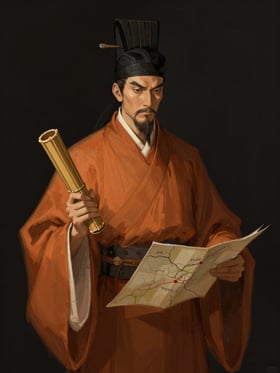
Wei Ji was a Cao Wei official known for proposing salt officials in Guanzhong and petitioning to establish legal scholars.

Life
In the Records: 2 volumes
Life168–229
201 CE (Jian'an 6)
- Wei Ji's Salt Office PolicyChang'anInstigator
Appearances
By chapter (2)
Records
- 11
- 21
- Cao Wei· Undated
- Life event
List all 2 stops
- Hedong Commandery168Birthplace
- Chang'an201Wei Ji's Salt Office Policy
On the boards
Compare with someone →Where this person ranks on each board.
Wei Ji, courtesy name Buru, was from Anyi in Hedong. He served Cao Wei and is mentioned in juan 21 of the Records of the Three Kingdoms; he does not appear in the Romance of the Three Kingdoms.
Career
- Wei Ji showed talent and learning from a young age. Cao Cao summoned him to serve as an Assistant to the Minister of Works, and he later served as Magistrate of Maoling and Gentleman of the Secretariat. (Recorded in historical sources)
- When Cao Cao campaigned against Yuan Shao, Wei Ji was sent on a mission to Yi Province. Unable to travel because the roads were impassable, he remained in Guanzhong to help govern the region. He proposed establishing salt offices, using the proceeds from salt to purchase oxen for farming, and having the Colonel-Director of Retainers remain in Guanzhong to administer it. After Xun Yu submitted the proposal, Cao Cao adopted it. (Recorded in historical sources)
- While the situation among the western Guanzhong generals remained unsettled, Wei Ji opposed Zhong Yao’s plan to send troops into the region, believing it might alarm the generals. Cao Cao did not follow his advice. Later, when rebellions broke out west of the passes, Cao Cao valued Wei Ji all the more. (Recorded in historical sources)
- After the founding of the Wei kingdom, Wei Ji served as Palace Attendant and shared responsibility for institutions with Wang Can. After Emperor Wen of Wei ascended the throne, Wei Ji successively served as Minister of the Secretariat and Gentleman of the Secretariat. He took part in urging and praising the abdication and succession and drafted the edict; he was later enfeoffed as Marquis of Yangji Ting. (Recorded in historical sources)
- After Emperor Ming of Wei ascended the throne, Wei Ji was promoted to Marquis of Wenxiang. He submitted a memorial proposing the establishment of Legal Scholars to teach the statutes and ordinances, and his proposal was implemented. (Recorded in historical sources)
Relationships
In the sources
Where the books name Wei Ji
History · vol. 11Records of the Three Kingdoms
初,昭善史書,與鍾繇、邯鄲淳、衞覬、韋誕並有名,尺牘之迹,動見模楷焉。…
Read the whole paragraph
初,昭善史書,與鍾繇、邯鄲淳、衞覬、韋誕並有名,尺牘之迹,動見模楷焉。〈《傅子》曰:胡徵君怡怡無不愛也,雖僕隷,必加禮焉。外同乎俗,內秉純絜,心非其好,王公不能屈,年八十而不倦於書籍者,吾於胡徵君見之矣。時有隱者焦先,河東人也。《魏略》曰:先字孝然。中平末,白波賊起。時先年二十餘,與同郡侯武陽相隨。武陽年小,有母,先與相扶接,避白波,東客揚州取婦。建安初來西還,武陽詣大陽占戶,先留陝界。至十六年,關中亂。先失家屬,獨竄於河渚間,食草飲水,無衣履。時大陽長朱南望見之,謂為亡士,欲遣船捕取。武陽語縣:「此狂癡人耳!」遂注其籍。給廩,日五升。後有疫病,人多死者,縣常使埋藏,童兒豎子皆輕易之。然其行不踐邪徑,必循阡陌;及其捃拾,不取大穗;饑不苟食,寒不苟衣,結草以為裳,科頭徒跣。每出,見婦人則隱翳,須去乃出。自作一瓜牛廬,淨埽其中。營木為牀,布草蓐其上。至天寒時,搆火以自炙,呻吟獨語。饑則出為人客作,飽食而已,不取其直。又出於道中,邂逅與人相遇,輙下道藏匿。或問其故,常言「草茅之人,與狐兔同羣」。不肯妄語。太和、青龍中,甞持一杖南渡淺河水,輙獨云未可也,由是人頗疑其不狂。至嘉平中,太守賈穆初之官,故過其廬。先見穆再拜。穆與語,不應;與食,不食。穆謂之曰:「國家使我來為卿作君,我食卿,卿不肯食,我與卿語,卿不應我,如是,我不中為卿作君,當去耳!」先乃曰:「寧有是邪?」遂不復語。其明年,大發卒將伐吳。有竊問先:「今討吳何如?」先不肯應,而謬歌曰:「祝衂祝衂,非魚非肉,更相追逐,本心為當殺牂羊,更殺其羖䍽邪!」郡人不知其謂。會諸軍敗,好事者乃推其意,疑牂羊謂吳,羖䍽謂魏,於是後人僉謂之隱者也。議郎河東董經特嘉異節,與先非故人,密往觀之。經到,乃奮其白鬚,為如與之有舊者,謂曰:「阿先闊乎!念共避白波時不?」先熟視而不言。經素知其昔受武陽恩,因復曰:「念武陽不邪?」先乃曰:「已報之矣。」經又復挑欲與語,遂不肯復應。後歲餘病亡,時年八十九矣。《高士傳》曰:世莫知先所出。或言生乎漢末,自陝居大陽,無父母兄弟妻子。見漢室衰,乃自絕不言。及魏受禪,常結草為廬於河之湄,獨止其中。冬夏恒不著衣,卧不設席,又無草蓐,以身親土,其體垢汙皆如泥漆,五形盡露,不行人間。或數日一食,欲食則為人賃作,人以衣衣之,乃使限功受直,足得一食輙去,人欲多與,終不肯取,亦有數日不食時。行不由邪徑,目不與女子逆視。口未甞言,雖有驚急,不與人語。遺以食物皆不受。河東太守杜恕甞以衣服迎見,而不與語。司馬景王聞而使安定太守董經因事過視,又不肯語,經以為大賢。其後野火燒其廬,先因露寢。遭冬雪大至,先袒卧不移,人以為死,就視如故,不以為病,人莫能審其意。度年可百歲餘乃卒。或問皇甫謐曰:「焦先何人?」曰:「吾不足以知之也。考之於表,可略而言矣。夫世之所常趣者榮味也,形之所不可釋者衣裳也,身之所不可離者室宅也,口之所不能已者言語也,心之不可絕者親戚也。今焦先棄榮味,釋衣服,離室宅,絕親戚,閉口不言,曠然以天地為棟宇,闇然合至道之前,出羣形之表,入玄寂之幽,一世之人不足以挂其意,四海之廣不能以回其顧,妙乎與夫三皇之先者同矣。結繩已來,未及其至也,豈羣言之所能髣髴,常心之所得測量哉!彼行人所不能行,堪人所不能堪,犯寒暑不以傷其性,居曠野不以恐其形,遭驚急不以迫其慮,離榮愛不以累其心,損視聽不以汙其耳目,舍足於不損之地,居身於獨立之處,延年歷百,壽越期頤,雖上識不能尚也。自羲皇已來,一人而已矣!」《魏氏春秋》曰:故梁州刺史耿黼以先為「仙人」也,北海傅玄謂之「性同禽獸」,並為之傳,而莫能測之。〉
History · vol. 21Records of the Three Kingdoms
衞覬字伯儒,河東安邑人也。少夙成,以才學稱。太祖辟爲司空掾屬,除茂陵令、尚書郎。…
Read the whole paragraph
衞覬字伯儒,河東安邑人也。少夙成,以才學稱。太祖辟爲司空掾屬,除茂陵令、尚書郎。太祖征袁紹,而劉表爲紹援,關中諸將又中立。益州牧劉璋與表有隙,覬以治書侍御史使益州,令璋下兵以綴表軍。至長安,道路不通,覬不得進,遂留鎮關中。時四方大有還民,關中諸將多引爲部曲,覬書與荀彧曰:「關中膏腴之地,頃遭荒亂,人民流入荊州者十萬餘家,聞本土安寧,皆企望思歸。而歸者無以自業,諸將各競招懷,以爲部曲。郡縣貧弱,不能與爭,兵家遂彊。一旦變動,必有後憂。夫鹽,國之大寶也,自亂來散放,宜如舊置使者監賣,以其直益巿犂牛。若有歸民,以供給之。勤耕積粟,以豐殖關中。遠民聞之,必日夜競還。又使司隷校尉留治關中以爲之主,則諸將日削,官民日盛,此彊本弱敵之利也。」彧以白太祖。太祖從之,始遣謁者僕射監鹽官,司隷校尉治弘農。關中服從,乃白召覬還,稍遷尚書。
History · vol. 21Records of the Three Kingdoms
…太祖悔不從覬議,由是益重覬。〉魏國旣建,拜侍中,與王粲並典制度。…
Read the whole paragraph
〈《魏書》曰:初,漢朝遷移,臺閣舊事散亂。自都許之後,漸有綱紀,覬以古義多所正定。是時關西諸將,外雖懷附,內未可信。司隷校尉鍾繇求以三千兵入關,外託討張魯,內以脅取質任。太祖使荀彧問覬,覬以爲「西方諸將,皆豎夫屈起,無雄天下意,苟安樂目前而已。今國家厚加爵號,得其所志,非有大故,不憂爲變也。宜爲後圖。若以兵入關中,當討張魯,魯在深山,道徑不通,彼必疑之;一相驚動,地險衆彊,殆難爲慮!」彧以覬議呈太祖。太祖初善之,而以繇自典其任,遂從繇議。兵始進而關右大叛,太祖自親征,僅乃平之,死者萬計。太祖悔不從覬議,由是益重覬。〉魏國旣建,拜侍中,與王粲並典制度。文帝即位,徙爲尚書。頃之,還漢朝爲侍郎,勸贊禪代之義,爲文誥之詔。文帝踐阼,復爲尚書,封陽吉亭侯。
Family, lords and rivals
1 relationships

Who is Wei Ji connected to?
Pick someone to see how many steps lie between them and Wei Ji.
Events
Events (1)
Battles and events the texts place this person in, by date.
Other events
- 201Wei Ji's Salt Office PolicyInstigator
Places
- Native of
- Hedong CommanderyRecords
Continue
Wei Ji's Salt Office Policy
Relationship timeline1 entry ▸
History · vol. 21
- Wang Can§49
Friend
Established and consolidated the Wei state's institutions and systems
Inner monologues · AI-generated1 monologue ▸
- I am Wei Ji, courtesy name Buru, from Anyi in Hedong. In my youth, I was known for my talent and learning. Later, Taizu