Shu Han · King of Beidi
Liu Chen
–263
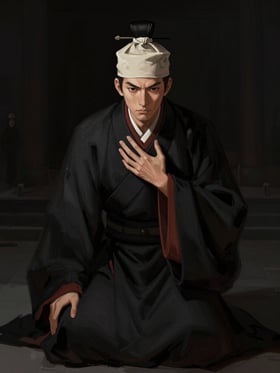
Liu Chen, Prince of Beidi of Shu Han, killed his wife and himself as Shu fell; the novel has him refuse to surrender and die by the temple.
Life
In the novel: 1 chapter · In the Records: 1 volume
Life?–263
Allegiance
Appearances
- Shu Han
- Hatched: dated by chapter
On the boards
Compare with someone →Where this person ranks on each board.
Liu Chen was the fifth son of Liu Shan, the Later Lord of Shu Han. In the second year of Yanxi, he was enfeoffed as King of Beidi. He also appears in Chapter 118 of Romance of the Three Kingdoms.
Deeds
According to historical records, in the sixth month of summer in the second year of Yanxi, Liu Shan made Liu Chen King of Beidi.
On the day Shu Han was about to fall, grief and anger over the kingdom’s demise drove Liu Chen to kill his wife and children before taking his own life. (Historical record)
In Romance of the Three Kingdoms, when Liu Shan was about to follow Qiao Zhou’s advice and surrender, Liu Chen spoke against it, urging them to make a last stand with their backs to the city wall. Liu Shan would not listen and drove him from the palace gates. (Novel)
The novel also says that when Liu Chen heard Liu Shan had accepted the surrender, his wife, Lady Cui, struck her head against a pillar and died. Liu Chen killed his three sons, carried his wife’s head to the Zhaolie Temple to lament, and then cut his own throat. (Novel)
Relationships
In the sources
Where the books name Liu Chen
History · vol. 33Records of the Three Kingdoms
二年夏六月,立子諶為北地王,恂為新興王,虔為上黨王。
Novel · ch. 118Romance of the Three Kingdoms
…後主視之,乃第五子北地王劉諶也。後主生七子:長子劉璿,次子劉瑤,三子劉琮,四子劉瓚,五子即北地王劉諶,六子劉恂,七子劉璩。…
Read the whole paragraph
次日眾議紛紛。譙周見事急,復上疏諍之。後主從譙周之言。正欲出降,忽屏風後轉出一人,厲聲而罵周曰:「偷生腐儒,豈可妄議社稷大事!自古安有降天子哉!」後主視之,乃第五子北地王劉諶也。後主生七子:長子劉璿,次子劉瑤,三子劉琮,四子劉瓚,五子即北地王劉諶,六子劉恂,七子劉璩。七子中惟諶自幼聰明,英敏過人,餘皆懦善。後主謂諶曰:「今大臣皆議當降,汝獨仗血氣之勇,欲令滿城流血耶?」諶曰:「昔先帝在日,譙周未嘗干預國政;今妄議大事,輒起亂言,甚非理也。臣竊料成都之兵,尚有數萬;姜維全師,皆在劍閣;若知魏兵犯闕,必來救應,內外攻擊,可獲全功。豈可聽腐儒之言,輕廢先帝之基業乎?」後主叱之曰:「汝小兒豈識天時!」諶叩頭哭曰:「若勢窮力極,禍敗將及,便當父子君臣背城一戰,同死社稷,以見先帝可也﹔奈何降乎!」後主不聽。諶放聲大哭曰:「先帝非容易創立基業;今一旦棄之,吾寧死不辱也!」後主令近臣推出宮門,遂令譙周作降書,遣私署侍中張紹、駙馬都尉鄧良,同譙周齎玉璽來雒城請降。
Novel · ch. 118Romance of the Three Kingdoms
北地王劉諶聞知,怒氣沖天,乃帶劍入宮。其妻崔夫人問曰:「大王今日顏色異常,何也?」…
Read the whole paragraph
北地王劉諶聞知,怒氣沖天,乃帶劍入宮。其妻崔夫人問曰:「大王今日顏色異常,何也?」諶曰:「魏兵將近,父皇已納降款,明日君臣出降,社稷從此殄滅。吾欲先死以見先帝於地下,不屈膝於他人也!」崔夫人曰:「賢哉!賢哉!得其死矣!妾請先死,王死未遲。」諶曰:「汝何死耶?」崔夫人曰:「王死父,妾死夫,其義同也。夫亡妻死,何必問焉?」言訖,觸柱而死。諶乃自殺其三子,並割妻頭,提至昭烈廟中,伏地哭曰:「臣羞見基業棄於他人,故先殺妻子,以絕罣念,後將一命報祖!祖如有靈,知孫之心!」大哭一場,眼中流血,自刎而死。蜀人聞之,無不哀痛。後人有詩讚曰:
Quotes
7 lines in the books · 3 featured
「若勢窮力極,禍敗將及,便當父子君臣背城一戰,同死社稷,以見先帝可也﹔奈何降乎!」
This line shows Liu Chen's resolve to die rather than surrender, the core of his image as a loyal martyr.
「先帝非容易創立基業;今一旦棄之,吾寧死不辱也!」
It stresses how hard-won the late emperor's enterprise was, which Liu Chen vows to defend to the death, underscoring his loyalty and righteousness.
「魏兵將近,父皇已納降款,明日君臣出降,社稷從此殄滅。吾欲先死以見先帝於地下,不屈膝於他人也!」
Liu Chen's words before taking his own life express his refusal to bend the knee to another, tragic and deeply moving.
- Family
- Enemies
Who is Liu Chen connected to?
Pick someone to see how many steps lie between them and Liu Chen.
History vs. novel
7 points · 6 novel-only
| History | Novel |
|---|---|
| Title as King of BeidiNovel embellishes | |
The Records of the Three Kingdoms records that Liu Chen was made King of Beidi, but gives no further account of his life. vol. 33 | The Romance of the Three Kingdoms also calls Liu Chen the King of Beidi and has him appear in that capacity during the episode of surrendering to Wei. ch. 118 |
| Clever from a young ageNovel only | |
| — | The novel describes Liu Chen as clever and perceptive from a young age, portraying him as different from his six brothers. ch. 118 |
| Rebukes Qiao ZhouNovel only | |
| — | When Liu Shan is preparing to surrender, Liu Chen appears and rebukes Qiao Zhou for rashly discussing affairs of state. ch. 118 |
| Urges a last standNovel only | |
| — | The novel has Liu Chen argue that Chengdu still has troops and Jiang Wei remains at Jianmen Pass, and urge his father, the ruler, and the officials to make a last stand behind the city walls. ch. 118 |
| Liu Shan rejects his pleaNovel only | |
| — | Liu Chen passionately urges resistance, but Liu Shan ignores him, orders his attendants to thrust him out of the palace gates, and then sends someone to request surrender. ch. 118 |
| Lady Cui dies with himNovel only | |
| — | The novel portrays Liu Chen as resolved not to yield. His wife, Lady Cui, says she is willing to die with him, then strikes her head against a pillar and dies. ch. 118 |
| Suicide at the Zhaolie TempleNovel only | |
| — | The novel has Liu Chen kill his three sons, take his wife’s head to the Zhaolie Temple to mourn before the ancestral shrine, and finally kill himself in loyalty to his country. ch. 118 |
- Title as King of BeidiNovel embellishes
- History
The Records of the Three Kingdoms records that Liu Chen was made King of Beidi, but gives no further account of his life.
vol. 33
- Novel
The Romance of the Three Kingdoms also calls Liu Chen the King of Beidi and has him appear in that capacity during the episode of surrendering to Wei.
ch. 118
- Clever from a young ageNovel only
- Novel
The novel describes Liu Chen as clever and perceptive from a young age, portraying him as different from his six brothers.
ch. 118
- Rebukes Qiao ZhouNovel only
- Novel
When Liu Shan is preparing to surrender, Liu Chen appears and rebukes Qiao Zhou for rashly discussing affairs of state.
ch. 118
- Urges a last standNovel only
- Novel
The novel has Liu Chen argue that Chengdu still has troops and Jiang Wei remains at Jianmen Pass, and urge his father, the ruler, and the officials to make a last stand behind the city walls.
ch. 118
- Liu Shan rejects his pleaNovel only
- Novel
Liu Chen passionately urges resistance, but Liu Shan ignores him, orders his attendants to thrust him out of the palace gates, and then sends someone to request surrender.
ch. 118
- Lady Cui dies with himNovel only
- Novel
The novel portrays Liu Chen as resolved not to yield. His wife, Lady Cui, says she is willing to die with him, then strikes her head against a pillar and dies.
ch. 118
- Suicide at the Zhaolie TempleNovel only
- Novel
The novel has Liu Chen kill his three sons, take his wife’s head to the Zhaolie Temple to mourn before the ancestral shrine, and finally kill himself in loyalty to his country.
ch. 118
Events
Events (1)
Battles and events the texts place this person in, by date.
Other events

Continue
Liu Shan
Parent
Relationship timeline2 entries ▸
Inner monologues · AI-generated1 monologue ▸
- When I was enfeoffed as Prince of Beidi, I was still my father the emperor’s son. Though I had been granted a title and