Yuan Shu's Faction · Advisor
Yuan Huan
courtesy name 曜卿
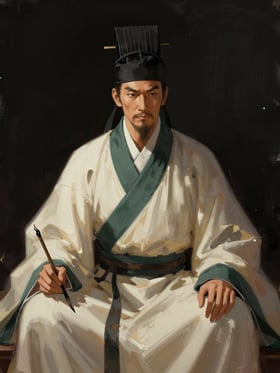
Yuan Huan, a scholar from the late Han to Cao Wei, was known for refusing Lü Bu’s demand to insult Liu Bei; he is absent from the novel.
On the boards
Compare with someone →Where this person ranks on each board.
Historical Record
Yuan Huan, courtesy name Yaoqing, was from Fule in Chen Commandery. His father, Yuan Pang, had served as Minister over the Masses under the Han. In his early years, he was known for his composure and observance of proper conduct. When he served as an assistant administrator in the commandery, corrupt clerks withdrew of their own accord. Later, he was summoned to office, recommended with high distinction, and promoted to Palace Censor. He was once appointed Prefect of Qiao but did not take up the post. When Liu Bei served as Governor of Yu Province, he recommended Yuan Huan as a man of outstanding talent. Yuan Huan later withdrew to the Jiang and Huai region, where Yuan Shu employed him. Yuan Huan repeatedly spoke frankly in counsel. Yuan Shu could not refute him, but continued to respect him. After Yuan Shu went to war with Lü Bu, Lü Bu detained Yuan Huan. When Lü Bu fell out with Liu Bei, he forced Yuan Huan to write a letter insulting Liu Bei. Even under threat of weapons, Yuan Huan refused to yield. He urged Lü Bu, “Only virtue can bring a person into disgrace; I have never heard that insults can.” He also pointed out that he had once served Liu Bei and now served Lü Bu; if he left Lü Bu and then insulted him, would that not be just as improper? Lü Bu was ashamed and dropped the matter.
After Lü Bu was executed, Yuan Huan entered Cao Cao’s service. He discussed military affairs and the governance of the realm with Cao Cao, arguing that the use of force was a last resort and that the people should be comforted and calamities eliminated through morality and benevolence. Cao Cao deeply agreed and appointed him Commandant of the Southern Part of Pei. When many newly recruited commoners fled from the military agricultural colonies, Yuan Huan advised Cao Cao to respect their wishes and not force those unwilling to remain. After Cao Cao adopted his advice, the people were pleased. Promoted to Chancellor of Liang, Yuan Huan required the counties under his jurisdiction to care for the elderly who had no family and to honor filial sons and virtuous women. His administration emphasized moral instruction: he first considered matters with leniency, then acted, appearing mild while remaining resolute within.
After the establishment of the state of Wei, Yuan Huan served as Gentleman of the Palace and Acting Grandee Secretary. He advised that the classics be collected widely and the teachings of the ancient sages made clear, so that the realm might be transformed through literary virtue. When word spread that Liu Bei had died, all the other officials offered congratulations, but Yuan Huan alone did not, because Liu Bei had once recommended him. Yuan Huan died after serving in office for several years. Cao Cao wept for him and bestowed grain under two separate orders: one allocation went to the household of the Gentleman of the Palace according to official regulations, and the other to “Yaoqing’s family” out of personal affection for an old friend. Yuan Huan had always given away all the rewards he received; his household had no savings, and he had never managed an estate. His integrity and incorruptibility won the respect of his contemporaries.
In the Novel
The novel does not portray this person. No novel material is available, so Yuan Huan’s appearances, words, or deeds cannot be added on the basis of the novel; accounts of his life should be limited to what is recorded in the Records of the Three Kingdoms and Pei Songzhi’s annotations.
Key Relationships
Yuan Pang was Yuan Huan’s father. Yuan Huan inherited his family background and served in the late Han. The Records of the Three Kingdoms describes Yuan Pang as pure and simple, with few desires, and as someone who did not speak ill of others; Yuan Huan himself was also known for his integrity, prudence, and observance of proper conduct. Yuan Huan’s relationship with Liu Bei began with Liu Bei’s recommendation of him as a man of outstanding talent. Even after they went on to serve different lords, Yuan Huan refused to be coerced by Lü Bu into writing a letter insulting Liu Bei. When news of Liu Bei’s death arrived, he also refrained from joining the others in offering congratulations, showing that their former bond of recognition still held weight for him.
Yuan Shu once employed and treated Yuan Huan with respect, but could not make him abandon principled counsel. Lü Bu, by contrast, first detained Yuan Huan and later threatened his life to force him to insult Liu Bei, only to be calmly persuaded by Yuan Huan. After entering Cao Cao’s service, Yuan Huan became one of his advisers: he urged Cao Cao to quell disorder through virtue and benevolence, and also secured the people’s right to choose whether to work in the agricultural colonies. Cao Cao adopted his advice. When Yuan Huan died, Cao Cao later bestowed grain under two separate designations, “official regulations” and “personal affection for an old friend,” showing that their relationship combined official duty with personal respect.
Signature Scene
The scene that best conveys Yuan Huan’s bearing is the one in which Lü Bu threatens him with weapons and orders him to write a letter insulting Liu Bei. Without changing expression, Yuan Huan smiled and pointed out that it was virtue, not insults, that could truly bring a person into disgrace. If Liu Bei was a gentleman, he would not be ashamed of Lü Bu’s words; if he was a petty man, he would only attribute the malice of the insults to Lü Bu. Yuan Huan then asked whether it would make sense for him, if he left Lü Bu that day, to turn around and insult Lü Bu. After hearing this, Lü Bu was ashamed and stopped. This account brings together Yuan Huan’s fearlessness in danger, composure in speech, and refusal to change his principles in response to shifts in power.
Another important scene concerns the debate over the agricultural colonies. When people fled because they were unwilling to work in them, Yuan Huan did not simply treat their flight as disobedience. Instead, reasoning that “people are settled in their native soil and reluctant to move,” he proposed recruiting only those who were willing and not forcing those who were not. Cao Cao followed his advice, and the people were greatly pleased. This reflects the same approach to governance that Yuan Huan displayed as Chancellor of Liang, where he emphasized moral instruction and acted only after considering matters with leniency.
After Yuan Huan’s death, Cao Cao wept and issued separate orders to bestow grain on the household of the Gentleman of the Palace and on Yaoqing’s family. When others did not understand the distinction between the two orders, Cao Cao explained that the first followed official regulations, while the second arose from personal affection for an old friend. This detail brings together Yuan Huan’s lifelong integrity and his bond with Cao Cao, and echoes his old sense of loyalty when he alone declined to celebrate the news of Liu Bei’s death.
In the sources
Where the books name Yuan Huan
History · vol. 11Records of the Three Kingdoms
袁渙字曜卿,陳郡扶樂人也。父滂,為漢司徒。
History · vol. 11Records of the Three Kingdoms
…居官數年卒,太祖為之流涕,賜穀二千斛,一教「以太倉穀千斛賜郎中令之家」,一教「以垣下穀千斛與曜卿家」,外不解其意。…
Read the whole paragraph
魏國初建,為郎中令,行御史大夫事。渙言於太祖曰:「今天下大難已除,文武並用,長久之道也。以為可大收篇籍,明先聖之教,以易民視聽,使海內斐然向風,則遠人不服可以文德來之。」太祖善其言。時有傳劉備死者,羣臣皆賀;渙以甞為備舉吏,獨不賀。居官數年卒,太祖為之流涕,賜穀二千斛,一教「以太倉穀千斛賜郎中令之家」,一教「以垣下穀千斛與曜卿家」,外不解其意。教曰:「以太倉穀者,官法也;以垣下穀者,親舊也。」又帝聞渙昔拒呂布之事,問渙從弟敏:「渙勇怯何如?」敏對曰:「渙貌似和柔,然其臨大節,處危難,雖賁、育不過也。」渙子侃,亦清粹閑素,有父風,歷位郡守尚書。〈《袁氏世紀》曰:渙有四子,侃、㝢、奧、準。侃字公然,論議清當,柔而不犯,善與人交。在廢興之間,人之所趣務者,常謙退不為也。時人以是稱之。歷位黃門選部郎,號為清平。稍遷至尚書,早卒。㝢字宣厚,精辯有機理,好道家之言,少被病,未官而卒,奧字公榮,行足以厲俗,言約而理當,終於光祿勳。準字孝尼,忠信公正,不恥下問,唯恐人之不勝己。以世事多險,故常治退而不敢求進。著書十餘萬言,論治世之務,為易、周官、詩傳,及論五經滯義,聖人之微言,以傳於世。此準之自序也。荀綽《九州記》稱準有儁才,泰始中為給事中。袁氏子孫世有名位,貴達至今。〉
History · vol. 38Records of the Three Kingdoms
…始靖兄事颍川陳紀,與陳郡袁渙、平原華歆、東海王朗等親善,歆、朗及紀子群,魏初為公輔大臣,咸與靖書,申陳舊好,情義款至,文多故不載。…
Read the whole paragraph
靖雖年逾七十,愛樂人物,誘納后進,清談不倦。丞相諸葛亮皆為之拜。章武二年卒。子欽,先靖夭沒。欽子游,景耀中為尚書。始靖兄事颍川陳紀,與陳郡袁渙、平原華歆、東海王朗等親善,歆、朗及紀子群,魏初為公輔大臣,咸與靖書,申陳舊好,情義款至,文多故不載。〈《魏略》:王朗與文休書曰:「文休足下:消息平安,甚善甚善。豈意脫別三十餘年而無相見之緣乎!詩人比一日之別於歲月,豈況悠悠歷累紀之年者哉!自與子別,若沒而復浮,若絕而復連者數矣。而今而後,居昇平之京師,攀附於飛龍之聖主;儕輩略盡,幸得老與足下併為遺種之叟,而相去數千里,加有邅蹇之隔,時聞消息於風聲,託舊情於思想,眇眇異處,與異世無以異也。往者隨軍到荊州,見鄧子孝、桓元將,粗聞足下動靜,云夫子既在益州,執職領郡,德素規矩,老而不墮。是時侍宿武皇帝於江陵劉景升聽事之上,共道足下於通夜,拳拳饑渴,誠無已也。自天子在東宮,及即位之後,每會群賢,論天下髦雋之見在者,豈獨人盡易為英,士鮮易取最,故乃猥以原壤之朽質,感夫子之情聽;每敘足下,以為謀首,豈其注意,乃復過於前世,書曰『人惟求舊』,易稱『同聲相應,同氣相求』,劉將軍之與大魏,兼而兩之,總此二義。前世邂逅,以同為睽,非武皇帝之旨;頃者蹉跌,其泰而否,亦非足下之意也。深思書、易之義,利結分於宿好,故遣降者送吳所獻致名馬、貂、罽,得因無嫌。道初開通,展敘舊情,以達聲問。久闊情慉,非夫筆墨所能寫陳,亦想足下同其志念。今者,親生男女凡有幾人?年並幾何?僕連失一男一女,今有二男:大兒名肅,年二十九,生於會稽;小兒裁歲餘。臨書愴悢,有懷緬然。」又曰:「過聞『受終於文祖』之言於尚書。又聞『曆數在躬,允執其中』之文於論語。豈自意得於老耄之齒,正值天命受於聖主之會,親見三讓之弘辭,觀眾瑞之總集,睹升堂穆穆之盛禮,瞻燔燎焜曜之青煙;於時忽自以為處唐、虞之運,際於紫微之天庭也。徒慨不得攜子之手,共列於(世)有二子之數,以聽有唐『欽哉』之命也。子雖在裔土,想亦極目而回望,側耳而遐聽,延頸而鶴立也。昔汝南陳公初拜,不依故常,讓上卿於李元禮。以此推之,吾宜退身以避子位也。苟得避子以竊讓名,然後(綬)帶委質,游談於平、勃之間,與子共陳往時避地之艱辛,樂酒酣宴,高談大噱,亦足遺憂而忘老。捉筆陳情,隨以喜笑。」又曰:「前夏有書而未達,今重有書,而並致前問。皇帝既深悼劉將軍之早世,又愍其孤之不易,又惜使足下孔明等士人氣類之徒,遂沈溺於羌夷異種之間,永與華夏乖絕,而無朝聘中國之期緣,瞻睎故土桑梓之望也,故復運慈念而勞仁心,重下明詔以發德音,申敕朗等,使重為書與足下等。以足下聰明,揆殷勤之聖意,亦足悟海岱之所常在,知百川之所宜注矣。昔伊尹去夏而就殷,陳平違楚而歸漢,猶曜德於阿衡,著功於宰相。若足下能弼人之遺孤,定人之猶豫,去非常之偽號,事受命之大魏,客主兼不世之榮名,上下蒙不朽之常耀,功與事並,聲與勛著,考績效,足以超越伊、呂矣。既承詔(直),且服舊之情,情不能已。若不言足下之所能,陳足下之所見,則無以宣明詔命,弘光大之恩,敘宿昔夢想之思。若天啟眾心,子導蜀意,誠此意有攜手之期。若險路未夷,子謀不從,則懼聲問或否,復面何由!前後二書,言每及斯,希不切然有動於懷。足下周游江湖,以暨南海,歷觀夷俗,可謂遍矣;想子之心,結思華夏,可謂深矣。為身擇居,猶原中土;為主擇(居)安,豈可以不系意於京師,而持疑於荒裔乎?詳思愚言,速示還報也。」〉
Quotes
4 lines in the books · 3 featured
「渙聞唯德可以辱人,不聞以罵。使彼固君子邪,且不恥將軍之言,彼誠小人邪,將復將軍之意,則辱在此不在於彼。且渙他日之事劉將軍,猶今日之事將軍也,如一旦去此,復罵將軍,可乎?」
This remark embodies Yuan Huan's noble character of standing unafraid before the powerful and winning others over with reason, carrying profound moral instruction.
「夫兵者,凶器也,不得已而用之。鼓之以道德,征之以仁義,兼撫其民而除其害。夫然,故可與之死而可與之生。自大亂以來十數年矣,民之欲安,甚於倒縣,然而暴亂未息者,何也?意者政失其道歟!渙聞明君善於救世,故世亂則齊之以義,時偽則鎮之以樸;世異事變,治國不同,不可不察也。夫制度損益,此古今之不必同者也。若夫兼愛天下而反之於正,雖以武平亂而濟之以德,誠百王不易之道也。公明哲超世,古之所以得其民者,公旣勤之矣,今之所以失其民者,公旣戒之矣,海內賴公,得免於危亡之禍,然而民未知義,其唯公所以訓之,則天下幸甚!」
This remark expounds the benevolent way of governing the state and pacifying the people, stressing rule by virtue, and is a concentrated expression of Yuan Huan's political thought.
「夫民安土重遷,不可卒變,易以順行,難以逆動,宜順其意,樂之者乃取,不欲者勿彊。」
This remark voices where the people's hearts lie, stressing that governance should accord with the popular will, a classic expression of the ancient people-as-foundation ideal.
- Family
- Friends
- Enemies
- Other
Who is Yuan Huan connected to?
Pick someone to see how many steps lie between them and Yuan Huan.
Continue
Yuan Kan
Child
Relationship timeline5 entries ▸
History · vol. 11
- Lü Bu§4
Rival
Was detained by Bu; refused to write a letter cursing Bei; Bu threatened him with force, saying, “Do it and live; refuse and die.” Huan answered him on grounds of righteousness, and Bu was ashamed and stopped.
- Liu Bei§4
Friend
Huan was recommended as a maocai by Liu Bei of Yu Province; later, when the news of Liu Bei's death arrived, Huan alone did not offer congratulations, as he had once been an official recommended by Bei
- Cao Cao§5
Advised
after Bu was executed, [he] returned to Taizu; discussed “weapons are instruments of ill omen” and “inspire them with virtue”; Taizu took his words deeply to heart and appointed him Commandant of the Southern Part of Pei
- Yuan Kan§7
Child
father and son (Kan was Huan's son and was also pure, refined, tranquil, and unpretentious, with his father's bearing)
- Yuan Ba§8
Kin
Paternal cousin (Ba was Huan’s younger paternal cousin).
Inner monologues · AI-generated1 monologue ▸
- I am Yuan Huan, courtesy name Yaoqing. In troubled times, rank and fortune are often entwined with disaster; all I wishe