Shu Han · Director of the Secretariat
Liu Ba
courtesy name 子初 · –222
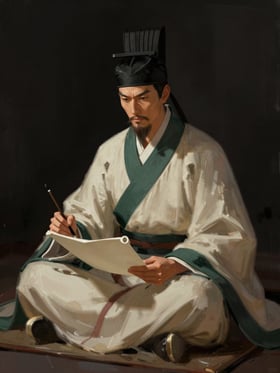
Liu Ba of Shu Han was known for raising military funds; the novel depicts him urging Liu Zhang to deny Liu Bei aid.

Life
In the novel: 3 chapters · In the Records: 6 volumes
Life?–222
214 CE (Jian'an 19)
Appearances
By chapter (9)
Novel
- 62
- 65
- 91
Records
- 32
- 38
- 39
- 40
- 43
- 45
- Liu Bei's faction
- Shu Han
- Liu Biao's faction· Undated
- Cao Wei· Undated
- Hatched: dated by chapter
- Life event
List all 2 stops
- LinglingBirthplace
- Chengdu214Liu Zhang's Surrender+1 more
On the boards
Compare with someone →Where this person ranks on each board.
Historical Record
Liu Ba, courtesy name Zichu, was from Zhengyang in Lingling. He was famous from a young age. Liu Biao, governor of Jing Province, repeatedly summoned and recommended him as a Maocai, but Liu Ba never answered the summons. After Liu Biao’s death, when Cao Cao campaigned in Jing Province, Liu Ba traveled north to join him. Cao Cao appointed him as an aide and ordered him to recruit people in Changsha, Lingling, and Guiyang. After Liu Bei captured the three commanderies, Liu Ba was unable to return and report, so he went far away to Jiaozhi; later, after various journeys, he entered Shu from Jiaozhi. After Liu Bei pacified Yi Province, Liu Ba apologized for his earlier opposition to him. Liu Bei did not blame him, and, after Zhuge Liang had recommended him several times, appointed him as an aide in the Left General’s Office.
Liu Ba had initially opposed Liu Bei’s entry into Yi Province and had also urged Liu Zhang not to receive Liu Bei; yet after Liu Bei pacified Shu, he still appointed Liu Ba. Liu Bei’s faction placed former subordinates of Liu Zhang—including people who had been ostracized or had old grievances with Liu Bei—in prominent positions, intending that each make full use of his abilities. Liu Ba was among them. Liu Ba later helped draft the Shu Code together with Zhuge Liang, Fa Zheng, Li Yan, and Yi Ji.
In the twenty-fourth year of Jian’an, Liu Bei became King of Hanzhong, and Liu Ba was appointed Minister of the Secretariat. He later succeeded Fa Zheng as Director of the Secretariat. He was austere and frugal, and did not build up a personal estate. Believing that he had not been a longtime adherent of Liu Bei, he worried that he might be suspected; consequently, he was cautious and reserved, kept to himself and had few associates, and spoke only on official matters. When Liu Bei proclaimed himself emperor, Liu Ba composed both the proclamation addressed to Heaven and the edicts of appointment. In the second year of Zhangwu, Liu Ba died. Chen Qun, the Wei Minister of the Secretariat, later wrote to Zhuge Liang to ask after him and said that he admired Liu Zichu.
In the Novel
Romance of the Three Kingdoms portrays Liu Ba as an outspoken adviser under Liu Zhang. After Liu Bei entered Shu, Liu Ba opposed Liu Zhang continuing to support him, describing the danger as “letting a tiger into the house” and “giving a tiger wings.” In the novel, he and Huang Quan urge Liu Zhang to reconsider, but Liu Zhang ultimately still gives Liu Bei elderly and weak soldiers, along with provisions. This admonition echoes historical accounts that Liu Ba had opposed Liu Zhang’s receiving Liu Bei, but the specific phrases “letting a tiger into the house” and the like, as well as the scene itself, are the novel’s invention and should not be treated as Liu Ba’s actual words in the historical accounts.
After Liu Zhang’s surrender, the novel also includes Liu Ba among the surrendered officials promoted by Liu Bei, and has him appointed Left General. The historical account, by contrast, says Liu Bei appointed Liu Ba as an aide in the Left General’s Office, and that he later rose to Director of the Secretariat; the appointments are not the same. An even clearer discrepancy appears in Chapter 91: the novel lists Liu Ba among those accompanying Zhuge Liang on the Northern Expeditions, as “General of the Vanguard and General Who Conquers the South,” whereas the historical account records that Liu Ba had died in the second year of Zhangwu. His appointment to a post on the Northern Expeditions is therefore a literary invention unique to the novel.
Key Relationships
Liu Ba’s relationship with Liu Bei shifted from conflict to service: he had opposed Liu Bei’s entry into Shu, but after Liu Bei entered Yi Province, Liu Bei did not pursue the matter and instead made use of his talents. Liu Ba rose from aide in the Left General’s Office to Minister of the Secretariat and then Director of the Secretariat, and composed the proclamations and edicts for Liu Bei’s proclamation as emperor. Liu Ba and Zhuge Liang both recognized and appreciated each other’s abilities: Zhuge Liang recommended Liu Ba several times and said that he himself was not as good as Zichu at devising strategies; Liu Ba, in turn, helped draft the Shu Code.
Liu Ba’s aloofness also affected his dealings with colleagues. Zhang Fei once came to stay at his home, but Liu Ba did not speak with him. Zhuge Liang urged Liu Ba to show some accommodation, but Liu Ba replied that he did not wish to associate with military men. Liu Bei was angered by this, but Zhuge Liang continued to advocate Liu Ba’s appointment, believing his strategic abilities exceptional. The historical account also records that Liu Ba was on bad terms with Yang Yi, Director of the Secretariat. The novel, meanwhile, places Liu Ba in Liu Zhang’s camp alongside Huang Quan as an adviser, and depicts him angrily berating Qiao Zhou; these specific episodes are inventions of the novel.
Defining Scenes
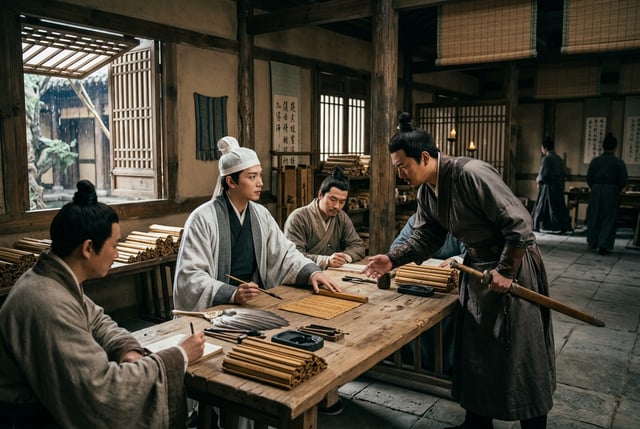
After Liu Bei captured Chengdu, soldiers rushed to the government storehouses to seize goods, and military supplies were temporarily inadequate. Liu Ba proposed minting coins worth one hundred, stabilizing prices, and having the government conduct trade. Liu Bei adopted the proposal, and within a few months the storehouses were full. This measure illustrates Liu Ba’s skill in planning administrative affairs and using economic means to address military needs.
Another important scene occurs when Liu Bei proclaimed himself emperor: Liu Ba was responsible for the proclamations and edicts addressed to Heaven and Earth. This contrasts with his previously cautious and reserved nature, and also shows that he chiefly exercised his abilities in matters of institutions and official documents. In the novel, Liu Ba’s warning Liu Zhang not to aid Liu Bei uses vivid language to emphasize his political judgment before the change of power in Yi Province. But this dramatized exchange should be regarded as unique to the novel, not as wording from the historical account.
Family, lords and rivals
1 relationships
Who is Liu Ba connected to?
Pick someone to see how many steps lie between them and Liu Ba.
History vs. novel
7 points
| History | Novel |
|---|---|
| Liu Ba Goes Over to Cao CaoHistory only | |
When Liu Biao died and Cao Cao invaded Jing Province, Liu Ba did not go south with Liu Bei but instead went north to join Cao Cao. He was appointed as an assistant and tasked with recruiting the three commanderies. vol. 39 | — |
| Advising Liu Zhang Not to Aid Liu BeiNovel embellishes | |
Liu Ba believed Liu Bei was a man of great talent who would inevitably bring disaster if he entered Yi Province. He once advised Liu Zhang not to receive him, but Liu Zhang did not listen. vol. 39 | When Liu Bei asked for soldiers, horses, money, and provisions, Liu Ba urged Liu Zhang to refuse him, saying that keeping Liu Bei around for long was like letting a tiger into the house, and aiding him would be like giving the tiger wings. ch. 62 |
| Opposing Liu Zhang’s SurrenderNovel embellishes | |
When Liu Bei attacked Chengdu, Liu Ba shut himself away, claiming to be ill. The Records of the Three Kingdoms does not record him advising Liu Zhang to surrender or opposing a surrender. vol. 39 | When Liu Zhang was preparing to surrender, Liu Ba and Huang Quan listened to Qiao Zhou urge surrender based on celestial portents and children’s songs. They were so furious that they wanted to execute Qiao Zhou, but Liu Zhang stopped them. ch. 65 |
| Liu Bei’s AppointmentsSources disagree | |
After Liu Bei conquered Yi Province, he appointed Liu Ba as an assistant in the Left General’s Office. After Liu Bei Proclaims Himself King of Hanzhong, Liu Ba became a Palace Secretary and later succeeded Fa Zheng as Director of the Palace Secretariat. vol. 39 | After Liu Bei pacified Yi Province, the novel says Liu Ba was appointed directly as Left General, and does not mention his later appointment as Director of the Palace Secretariat. ch. 65 |
| Zhang Fei Lodges at Liu Ba’s HomeHistory only | |
Zhang Fei once lodged at Liu Ba’s home, but Liu Ba would not speak with him. Zhang Fei was angered by this, and Liu Ba also said he disdained speaking with soldiers. vol. 39 | — |
| Minting Zhibai Coins to Fill the TreasuryHistory only | |
After Chengdu was captured, the soldiers competed to seize the treasury’s valuables, leaving military supplies inadequate. Liu Ba proposed minting Zhibai coins and regulating the market; within a few months, the treasury was full. vol. 39 | — |
| Drafting the Proclamation of AccessionHistory only | |
When Liu Bei Proclaims Himself Emperor, Liu Ba drafted the rites of sacrifice to Heaven and Earth, as well as the various proclamations and appointment edicts. Liu Ba died in the second year of Zhangwu. vol. 39 | — |
- Liu Ba Goes Over to Cao CaoHistory only
- History
When Liu Biao died and Cao Cao invaded Jing Province, Liu Ba did not go south with Liu Bei but instead went north to join Cao Cao. He was appointed as an assistant and tasked with recruiting the three commanderies.
vol. 39
- Advising Liu Zhang Not to Aid Liu BeiNovel embellishes
- History
Liu Ba believed Liu Bei was a man of great talent who would inevitably bring disaster if he entered Yi Province. He once advised Liu Zhang not to receive him, but Liu Zhang did not listen.
vol. 39
- Novel
When Liu Bei asked for soldiers, horses, money, and provisions, Liu Ba urged Liu Zhang to refuse him, saying that keeping Liu Bei around for long was like letting a tiger into the house, and aiding him would be like giving the tiger wings.
ch. 62
- Opposing Liu Zhang’s SurrenderNovel embellishes
- History
When Liu Bei attacked Chengdu, Liu Ba shut himself away, claiming to be ill. The Records of the Three Kingdoms does not record him advising Liu Zhang to surrender or opposing a surrender.
vol. 39
- Novel
When Liu Zhang was preparing to surrender, Liu Ba and Huang Quan listened to Qiao Zhou urge surrender based on celestial portents and children’s songs. They were so furious that they wanted to execute Qiao Zhou, but Liu Zhang stopped them.
ch. 65
- Liu Bei’s AppointmentsSources disagree
- History
After Liu Bei conquered Yi Province, he appointed Liu Ba as an assistant in the Left General’s Office. After Liu Bei Proclaims Himself King of Hanzhong, Liu Ba became a Palace Secretary and later succeeded Fa Zheng as Director of the Palace Secretariat.
vol. 39
- Novel
After Liu Bei pacified Yi Province, the novel says Liu Ba was appointed directly as Left General, and does not mention his later appointment as Director of the Palace Secretariat.
ch. 65
- Zhang Fei Lodges at Liu Ba’s HomeHistory only
- History
Zhang Fei once lodged at Liu Ba’s home, but Liu Ba would not speak with him. Zhang Fei was angered by this, and Liu Ba also said he disdained speaking with soldiers.
vol. 39
- Minting Zhibai Coins to Fill the TreasuryHistory only
- History
After Chengdu was captured, the soldiers competed to seize the treasury’s valuables, leaving military supplies inadequate. Liu Ba proposed minting Zhibai coins and regulating the market; within a few months, the treasury was full.
vol. 39
- Drafting the Proclamation of AccessionHistory only
- History
When Liu Bei Proclaims Himself Emperor, Liu Ba drafted the rites of sacrifice to Heaven and Earth, as well as the various proclamations and appointment edicts. Liu Ba died in the second year of Zhangwu.
vol. 39
Events
Events (4)
Battles and events the texts place this person in, by date.
Other events
Places
Continue
Promulgation of the Shu Legal Code
Relationship timeline1 entry ▸
Novel · ch. 65
- Qiao Zhou§19
Enemy
In segment 19, wanted to execute Qiao Zhou (as with Huang Quan)
Inner monologues · AI-generated1 monologue ▸
- After Chengdu had been secured, the Former Lord placed me in a prominent position. At that time, my thoughts were not on