Shu Han · General Who Pacifies the South
Huo Yi
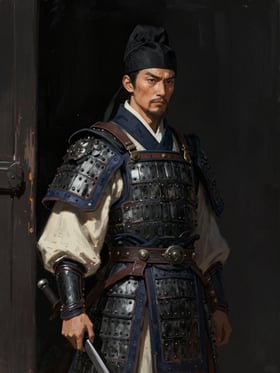
Huo Yi guarded Nanzhong and submitted after Shu Han fell; the novel says he surrendered upon hearing of the Later Lord.
Appearances
In the novel: 1 chapter · In the Records: 3 volumes
By chapter (4)
Novel
- 119
Records
- 4
- 41
- 48
On the boards
Compare with someone →Where this person ranks on each board.
Huo Yi was a Shu Han general who served as Administrator of Jianning. In chapter 119 of Romance of the Three Kingdoms, after hearing that Chengdu had fallen, he delayed surrendering.
Deeds
According to historical records, Huo Yi successively served as Attendant to the Heir Apparent, Gentleman of the Yellow Gate, Zhuge Liang’s secretary, Palace Attendant, and Household Counsellor to the Heir Apparent. He once remonstrated with the heir apparent, Liu Xuan. He later served as Deputy Commander of the Laijiang garrison and as Army Protector.
According to historical records, Huo Yi was appointed Administrator of Yongchang and led troops to suppress the Yi and Liao peoples, who had rebelled from their strongholds. He killed their leaders and destroyed their settlements, restoring peace to the commandery. He later served as Army Supervisor and General Who Assists the Army, while also administering Jianning and overseeing affairs in Nan Commandery.
In the sixth year of Jingyao, Huo Yi was promoted to General Who Pacifies the South. After Shu fell, he and Luo Xian each held their respective territories and led their followers to submit to the Wei court, where they continued to receive appointments. Later, ordered to aid Lü Xing, he pacified the three commanderies of Jiaozhi, Rinan, and Jiuzhen, and was enfeoffed as a marquis and promoted in rank.
In chapter 119 of Romance of the Three Kingdoms, Huo Yi is said to have donned plain mourning clothes and wept toward the west for three days after hearing that Chengdu had fallen. He said he would first learn whether the Later Lord was safe: if the Later Lord was treated with respect, he would surrender; if he suffered humiliation or danger, he would not. (Novel)
In chapter 119 of Romance of the Three Kingdoms, after learning that the Later Lord had been enfeoffed, Huo Yi led his troops to surrender. (Novel)
Relationships
- Father: Huo Jun.
- He and Zhuge Qiao spent time in Zhuge Liang’s company.
- He once remonstrated with the heir apparent, Liu Xuan.
- He and Luo Xian, commander of the Ba region, each held their respective territories and led their followers to submit.
- He was ordered to aid Lü Xing.
Lines
- 演 ch.119 §25
「道路隔絕,未知吾主安危若何?若魏主以禮待之,則舉城而降,未為晚矣;萬一危辱吾主,則主辱臣死,何可降乎?」
- Family
- Lord & vassal
- Friends
- Other
Who is Huo Yi connected to?
Pick someone to see how many steps lie between them and Huo Yi.
History vs. novel
7 points
| History | Novel |
|---|---|
| Early CareerHistory only | |
Huo Yi successively served as Attendant to the Heir Apparent and Gentleman of the Palace Gate. When Zhuge Liang was stationed in Hanzhong, Huo Yi served as his Registrar and spent time traveling with Zhuge Qiao. After Zhuge Liang’s death, he became an Attendant at the Yellow Gate. vol. 41 | — |
| Admonishing the Heir ApparentHistory only | |
Liu Xuan enjoyed horseback riding and archery and came and went without restraint. Huo Yi cited ancient principles and did his utmost to admonish him; the histories praise his remonstrations as well-judged and in keeping with the proper principles of counsel. vol. 41 | — |
| Pacifying YongchangHistory only | |
The Yi and Liao peoples of Yongchang Commandery, relying on the area's rugged terrain, rose in revolt. Huo Yi led a detached force to suppress them, killed their leaders, and destroyed their settlements, ultimately restoring peace within the commandery’s borders. vol. 41 | — |
| Mourning His Ruler in Plain ClothesNovel embellishes | |
After Chengdu fell, Huo Yi donned plain clothes and wept aloud for three days. When his generals urged him to surrender, he insisted that he must first learn whether Liu Shan was safe and could not make a hasty decision about whether to stay or leave. vol. 41 | When Huo Ge heard that Chengdu had fallen, he donned plain clothes, faced west, and wept bitterly for three days. When the generals urged him to surrender, he refused to do so at once, citing the uncertainty surrounding his lord’s safety. ch. 119 |
| Conditions for SurrenderNovel embellishes | |
Only after learning that Liu Shan had been moved east did Huo Yi submit a memorial declaring the allegiance of the troops from the six commanderies. He had earlier stated that if Liu Shan came to harm, he would resist to the death. vol. 41 | Huo Ge sent someone to Luoyang to inquire after the news. Only after learning that the Later Lord had been enfeoffed as the Duke of Anle did he lead his subordinates in surrender. ch. 119 |
| Appointment After SurrenderHistory only | |
After Huo Yi submitted, King Wen of Jin appointed him Commander of Nanzhong and left him in charge of his former responsibilities. The Romance account does not mention this. vol. 41 | — |
| Pacifying Three CommanderiesHistory only | |
Huo Yi later sent troops to relieve Lü Xing, suppressed rebellions in the three commanderies of Jiaozhi, Rinan, and Jiuzhen, and was consequently enfeoffed as a marquis and rewarded with a promotion. The Romance account does not mention these achievements. vol. 41 | — |
- Early CareerHistory only
- History
Huo Yi successively served as Attendant to the Heir Apparent and Gentleman of the Palace Gate. When Zhuge Liang was stationed in Hanzhong, Huo Yi served as his Registrar and spent time traveling with Zhuge Qiao. After Zhuge Liang’s death, he became an Attendant at the Yellow Gate.
vol. 41
- Admonishing the Heir ApparentHistory only
- History
Liu Xuan enjoyed horseback riding and archery and came and went without restraint. Huo Yi cited ancient principles and did his utmost to admonish him; the histories praise his remonstrations as well-judged and in keeping with the proper principles of counsel.
vol. 41
- Pacifying YongchangHistory only
- History
The Yi and Liao peoples of Yongchang Commandery, relying on the area's rugged terrain, rose in revolt. Huo Yi led a detached force to suppress them, killed their leaders, and destroyed their settlements, ultimately restoring peace within the commandery’s borders.
vol. 41
- Mourning His Ruler in Plain ClothesNovel embellishes
- History
After Chengdu fell, Huo Yi donned plain clothes and wept aloud for three days. When his generals urged him to surrender, he insisted that he must first learn whether Liu Shan was safe and could not make a hasty decision about whether to stay or leave.
vol. 41
- Novel
When Huo Ge heard that Chengdu had fallen, he donned plain clothes, faced west, and wept bitterly for three days. When the generals urged him to surrender, he refused to do so at once, citing the uncertainty surrounding his lord’s safety.
ch. 119
- Conditions for SurrenderNovel embellishes
- History
Only after learning that Liu Shan had been moved east did Huo Yi submit a memorial declaring the allegiance of the troops from the six commanderies. He had earlier stated that if Liu Shan came to harm, he would resist to the death.
vol. 41
- Novel
Huo Ge sent someone to Luoyang to inquire after the news. Only after learning that the Later Lord had been enfeoffed as the Duke of Anle did he lead his subordinates in surrender.
ch. 119
- Appointment After SurrenderHistory only
- History
After Huo Yi submitted, King Wen of Jin appointed him Commander of Nanzhong and left him in charge of his former responsibilities. The Romance account does not mention this.
vol. 41
- Pacifying Three CommanderiesHistory only
- History
Huo Yi later sent troops to relieve Lü Xing, suppressed rebellions in the three commanderies of Jiaozhi, Rinan, and Jiuzhen, and was consequently enfeoffed as a marquis and rewarded with a promotion. The Romance account does not mention these achievements.
vol. 41
Events
Events (1)
Battles and events the texts place this person in, by date.
Other events
Places
- Was at
- NanzhongRecords
Continue
Huo Jun
Kin
Relationship timeline3 entries ▸
History · vol. 41
Inner monologues · AI-generated1 monologue ▸
- When news came that Chengdu had fallen, I donned plain mourning clothes, faced west, and wept for three days. The grief